
As I sit here trying to figure out what to write about grazing this week, I could write about the weather and how it is getting so dry out, but we all know that. Corn is starting to roll, and some second-cutting hay is being put up early because the grass has stopped growing due to a lack of rain. Are we going to have another drought? Right now, things are not looking good.
With that being said, I decided to go a different route this week. This summer, I had the pleasure of attending the 2025 National Association of County Agricultural Agents Conference in Billings, Montana. My husband attended the conference with me, and we extended our stay for a much-needed vacation touring Montana and parts of Wyoming. We are not ones to just drive the main highways to get from one place to another. We found two lanes, including dirt and gravel roads to travel and really see the country — good thing our rental was a truck for the week.
In this article, I am going to discuss the differences between grazing practices in Ohio and Montana.
First, I want you to know that Montana’s main industry is agriculture. The top three industries that the people of Montana make their living in are agriculture, mining and tourism. Montana’s main crops are wheat, hay — fourth in the U.S. — barley, sugar beets, lentils and chickpeas. The top five ag commodities in Montana are: wheat, cattle and calves, barley, hay and sugar beets.
Grazing livestock in Ohio differs a lot from grazing in Montana due to differences in climate, landscape, land availability and grazing practices. The following are some key differences between the two states.
Climate
Ohio has a generally humid continental climate with ample rainfall, resulting in lush pastures and a relatively longer growing season. Montana has a generally semi-arid climate, experiencing drier conditions and a shorter growing season.
Topography
Ohio’s landscape is primarily flatter, with rolling hills and plains, which are well-suited for fenced pastures and rotational grazing systems.
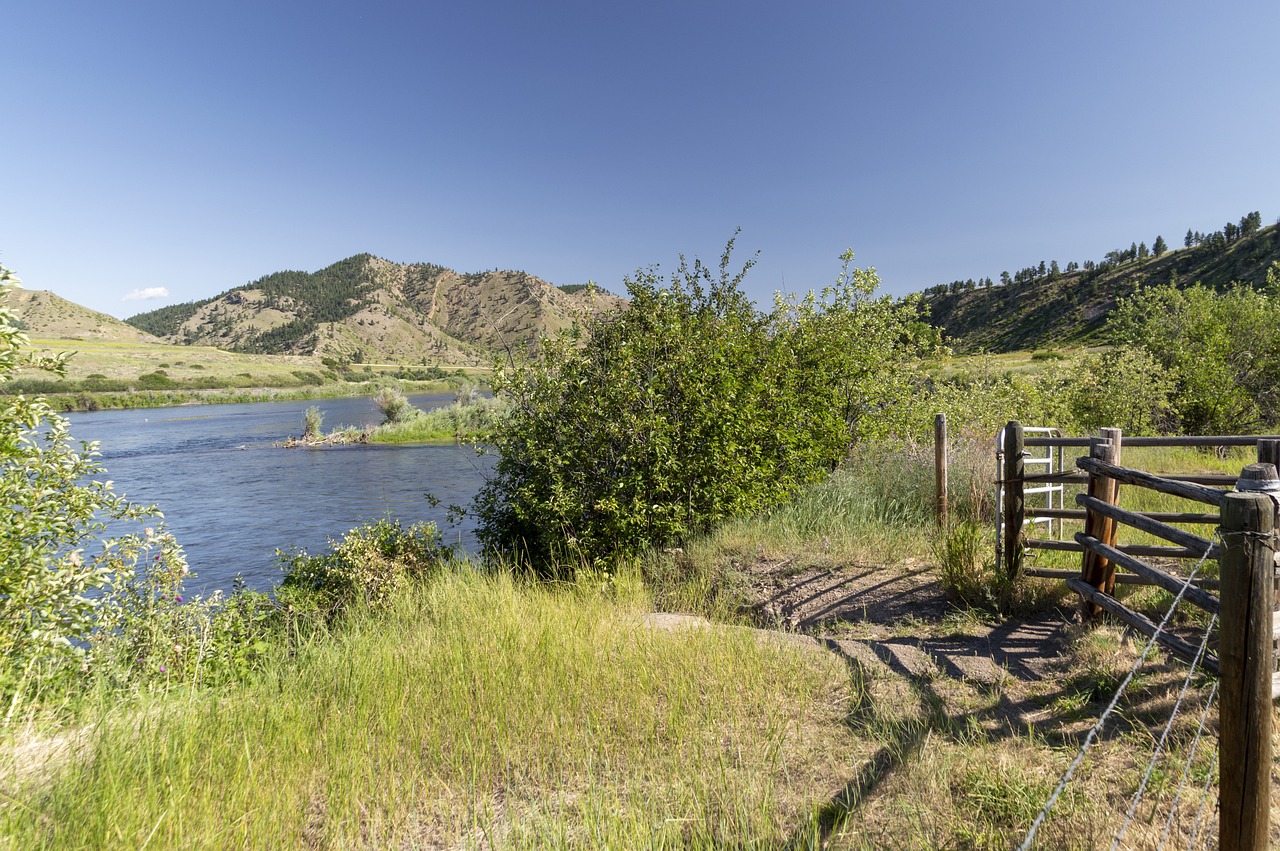
Montana is characterized by vast rangelands, mountains and basins, a significant portion of grazing occurs on public lands administered by the federal Bureau of Land Management and the Forest Service.
Practices
In Ohio, we emphasize intensive pasture management, including rotational grazing, to maximize forage production and soil health on smaller landholdings.
In Montana, grazing on public lands often involves larger herds grazing vast expanses, relying on managing livestock distribution and utilizing different forage types depending on the season.
Land ownership
In Ohio, grazing typically occurs on privately owned land, requiring careful planning and resource management by individual landowners. Grazing permits are essential in Montana for accessing federal grazing lands, playing a crucial role in ranching operations and financial viability.
Challenges
Ohio grazers face challenges with soil degradation if overgrazing occurs, requiring proactive measures to maintain soil health and forage productivity. In Montana, extended droughts pose significant challenges to grazers impacting forage availability and requiring adjustments to grazing plans.
While the goal of grazing livestock remains similar in both states, the conditions and challenges dictate different approaches and adaptations for successful and sustainable grazing operations. Ohio grazing focuses on intensive management within smaller, private land parcels, while grazing in Montana involves managing larger herds on vast, often public, rangelands, adapting to semi-arid conditions and federal land policies.
We toured some beautiful country on our trip including seeing massive wheat and sugar beet fields, irrigated alfalfa fields, beef feedlots and attended the Billings Livestock monthly Horse Auction, which is way different from our horse auctions in Ohio that we have attended.
My reminder to you is when you go on vacation make an effort to get off those four lane highways and see what is happening out in the real world, especially in agriculture. Next month is my annual vacation to the beach with the girls, where I will be seeing peanut and cotton fields, big swine operations, southern yellow pines being both planted and harvested and of course lots of vegetable and melon fields and seafood harvesting all along the way. The field of agriculture is amazing no matter what state you are visiting, take time to look around.