


Last week was a heat-stress event that warrants an evaluation of how well your mitigation tools performed. From Monday morning through Sunday night, the temperature never fell into the thermoneutral zone. Even this week, nighttime temperatures barely fell into the thermoneutral zone.
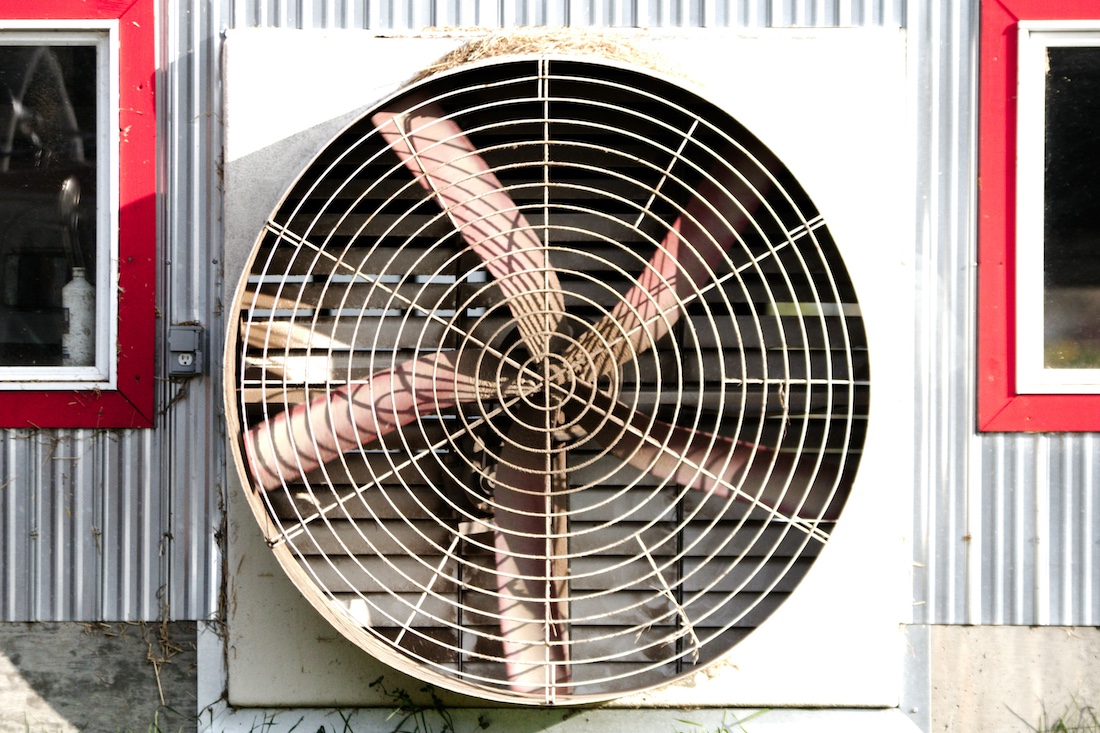
For heat stress mitigation, we usually focus on how well fans move air to every corner of the barn and whether cow soakers work properly without wasting water. If your cows were bunching last week or spent more time standing than usual, fans and soakers may need further investigation.
Hot cows will breathe faster, and under severe heat stress, they will open-mouth breathe. During heat stress, cows reduce feed intake, and milk production usually declines 48 hours after the onset of continuous heat stress.
Beyond environmental mitigation strategies, your nutritional tools for heat stress mitigation and sustaining milk production should also be evaluated.
Effect of yeast products
Since 2003, 52 journal articles have been published specifically on nutritional strategies to alleviate heat stress in lactating dairy cows. While not all studies found positive results, the dietary intervention, compared with the control diet, improved milk yield by 3.41% and dry matter intake by 2.51%, with no change in feed efficiency.
The most studied group of feed additives is yeast and co-products, which, as a group, had positive impacts. Products that contained Saccharomyces cerevisiae (SC), live yeast, their fermentation products as postbiotics, or their cell walls all improved milk yield. These products also exhibited a decrease in respiratory rates of 2.81%, alleviating some impacts of heat stress indicators across all environments studied.
Yeast products containing Saccharomyces cerevisiae boost lactation performance under thermoneutral conditions. They favor the activity of cellulolytic and lactate-utilizing bacteria that scavenge oxygen. This affects feeding behavior by increasing VFA production and ruminal pH, helping prevent subacute ruminal acidosis; under SARA-induced conditions, there is also an enhanced inflammatory response.
Live Saccharomyces cerevisiae was the only version to improve dry matter intake, whereas SC cell wall and fermentation products showed other heat-stress benefits. There was a decrease in haptoglobin and acid-soluble protein levels, indicating reduced inflammation due to heat stress.
The effectiveness of SC products may be dose-dependent and appears to show increased effect after 4 weeks of inclusion, meaning if not already included for their other benefits, they would need to be added to diets in the spring to be in full effect when heat stress begins. Most studies did not find a decrease in rectal temperature; however, those with the highest inclusion rates of SC derived products showed a trend towards reduced rectal temperature.
Effect of minerals
Minerals are also being studied as a tool to reduce heat stress, with the greatest results from products containing Chromium-yeast. Chromium (Cr) plays an essential role in the regulation of intracellular glucose uptake. Under heat stress Cr, is lost through urinary excretion, which can disrupt glucose uptake and metabolism.
Studies feeding Cr-yeast products lowered rectal temperature and maintained cellular regulation of glucose uptake by mammary cells. Some studies also reported improvements in antioxidant status, respiration rate, and immune response. Other minerals such as copper (Cu), selenium (Se), cobalt (Co), manganese (Mn) and zinc (Zn), which contain antioxidant enzymes, act in combination to help alleviate heat stress. Zinc-Methionine alone also improved heat stress alleviation by reducing inflammation-like conditions, thereby improving antioxidant capacity and feeding behavior.
Effect of niacin
The only vitamin studied in multiple studies was niacin, which showed positive effects on milk yield under the most severe heat-stress conditions. Under severe heat stress, niacin-supplemented cows had lower respiratory rates, panting scores, and vaginal temperatures. Niacin increased the blood flow to the skin, helping cows to radiate heat. One study found that niacin was more effective in mid-lactation cows than early lactation cows.
Plant compounds
The last class of nutritional interventions is plant-derived bioactive compounds known as phytochemicals. These plant compounds are supposed to be rich in antioxidants but exhibit the greatest variability among these nutritional tools, with the active compounds and rates not listed in the research trials. In all trials with positive benefits, nutrient efficiency and metabolic resilience were improved with no change in respiration rate or body temperature.
Time of day
The last type of nutritional change is feed delivery time, the number of deliveries per day, and leftover feed push-out. While feed needs to be available all day, cows will consume more when they are under less heat stress, often at night. When feed push-out and delivery were moved from 9 a.m. to 9 p.m., cows consumed more feed in the first 3 hours after delivery and produced more milk fat. Increasing the number of times feed is delivered and bunkers are defaced decreased the time the feed is exposed to oxygen, reducing the likelihood that it would heat and spoil.