
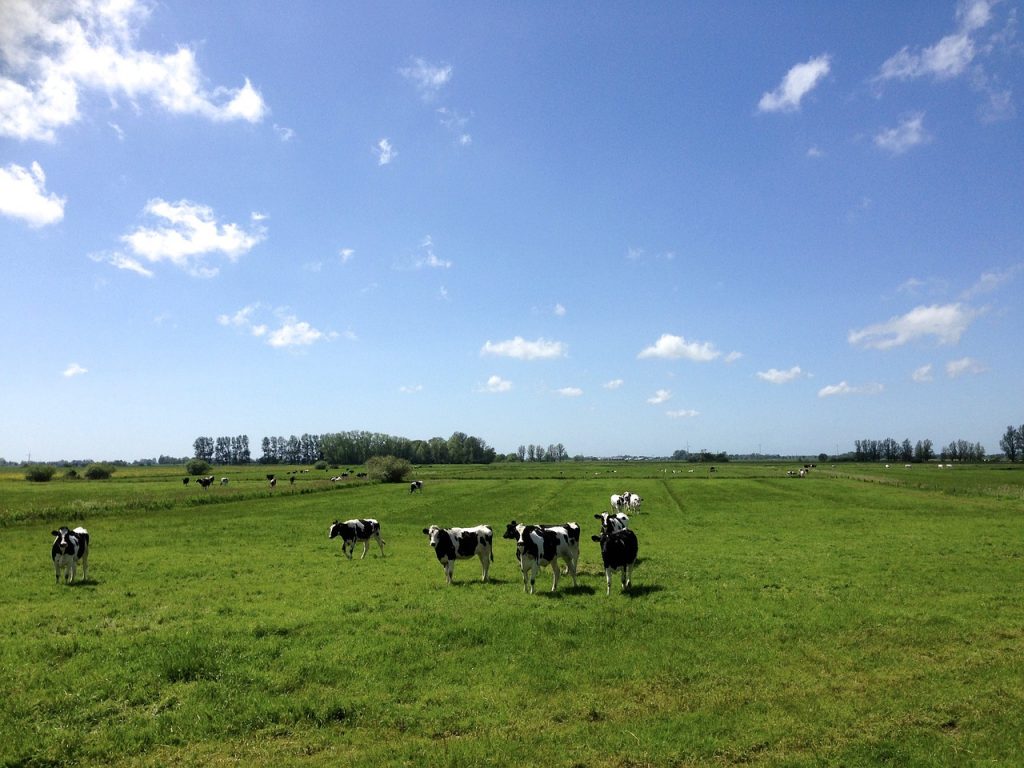
I live in southern Ohio where, recently, temperatures have been cooler, many plants have started putting energy into reserves and we finally got a little rain. We will still have warm days, and the calendar officially says there are two more weeks of summer, but it feels like the seasons are shifting. It is a great time to walk your pastures and update your maintenance plans.
Soil test/fertilize
Fall is an excellent time to take a soil test to adjust pasture management plans. Plants in the pasture have taken up most of the nutrients they need for the growing season, so you will get a good idea of what is available to start next season with. If fields have been grazed actively, they may not need as much fertilizer as fields used primarily for hay production, but testing different areas will help you understand your pasture needs. Many extension offices provide soil testing services.
Fall reseeding
If you are planning to renovate pastures, now is crunch time. Much of our state typically has until mid-September to mid-October to seed pastures to ensure they will be ready in the spring. If your pastures have struggled and weed pressure was high this growing season, you may consider a total replant. Fall is often a good time of year to manage planting as there is less weed pressure and temperatures are cooling but not freezing yet, which lends for good growth in things like cool-season grasses.
Record/treat high weed areas
If you know you have problem areas in your pasture, they will likely return in the same areas next year. Fall is a great time to pay attention to those areas, and treat as desired. For instance, perennial weeds begin to transfer energy reserves to the root system as fall approaches, so treating with herbicides may target the roots better if applied soon. Mowing other weeds will also prevent them from dropping seeds that will become issues next year. As everything dies back, it may be harder to remember where the issues were when we look at pastures starting to grow next year.
Fence work
I am not sure many producers will claim that fence work is their favorite part of owning livestock, but I like chasing them even less. Before the freeze/thaw cycle starts, take time to replace broken or bent posts, check for broken wires and connections and look for weaknesses that animals will find as food becomes less desirable.
Prepare sacrifice area for winter feeding
Fall is a wonderful time to update, or prepare, a sacrifice area on your property. Sacrifice areas are specific areas that a producer sets aside to prepare for holding animals for inclement weather. It should have easy access to hay/feeding and water sources, and should be big enough to provide your animals easy movement and be easily drained to prevent a mud pit during winter. Fences need to be visible and strong as animals used to moving to graze are fed differently. Look at your management plan to decide on best locations, surfaces and feeding methods for your area. Hoof traffic following freeze can damage grasses, so make plans to move animals before grasses freeze. Finally, sacrifice areas allow you to rest pastures. If you are doing any planting to renovate, that is vital as we make sure plants are well established before grazing starts next season.
Final thoughts
Don’t forget to walk around your barn area as you inspect your facilities. Look for issues with insect/rodent signs or weaknesses as they look for winter homes. Look for areas where water pools, leaks that need repairs or changes in flow that will make life easier in the coming months. For more information, you can also check out forages.osu.edu. If you would like to discuss your management strategies on any of the above topics, contact your local extension office.