
As we move into the beginning of summer, many pastures across our region are still showing the damage of the 2024 drought and the dry fall that followed in 2025.
Grass that struggled last year is slow to bounce back, and when forage thins out or goes dormant, something else is always ready to take its place. This spring didn’t make things any easier. April brought warmer than usual temperatures, then sudden swings in temperatures, frosts, dry spells and now one of the wettest Mays we’ve seen in a long time.
With all that back and forth, it’s no wonder folks are noticing more weeds than usual, from ragweed to thistles, foxtail, horseweed and plenty of others that seem to appear overnight. These plants aren’t new, but the weather over the past two years has given them an advantage. As summer begins, it’s a good time to take a walk through your fields and look at what’s really growing out there.
Take a walk
Drought doesn’t just slow down forage growth; it shifts the whole balance of the pasture. When grass weakens, the soil opens up, sunlight reaches bare ground and weeds take the opportunity to move in. The dry fall last year didn’t give pastures much of a chance to recover before winter, so by the time spring rolled around, weeds were already waiting to take advantage of the conditions.
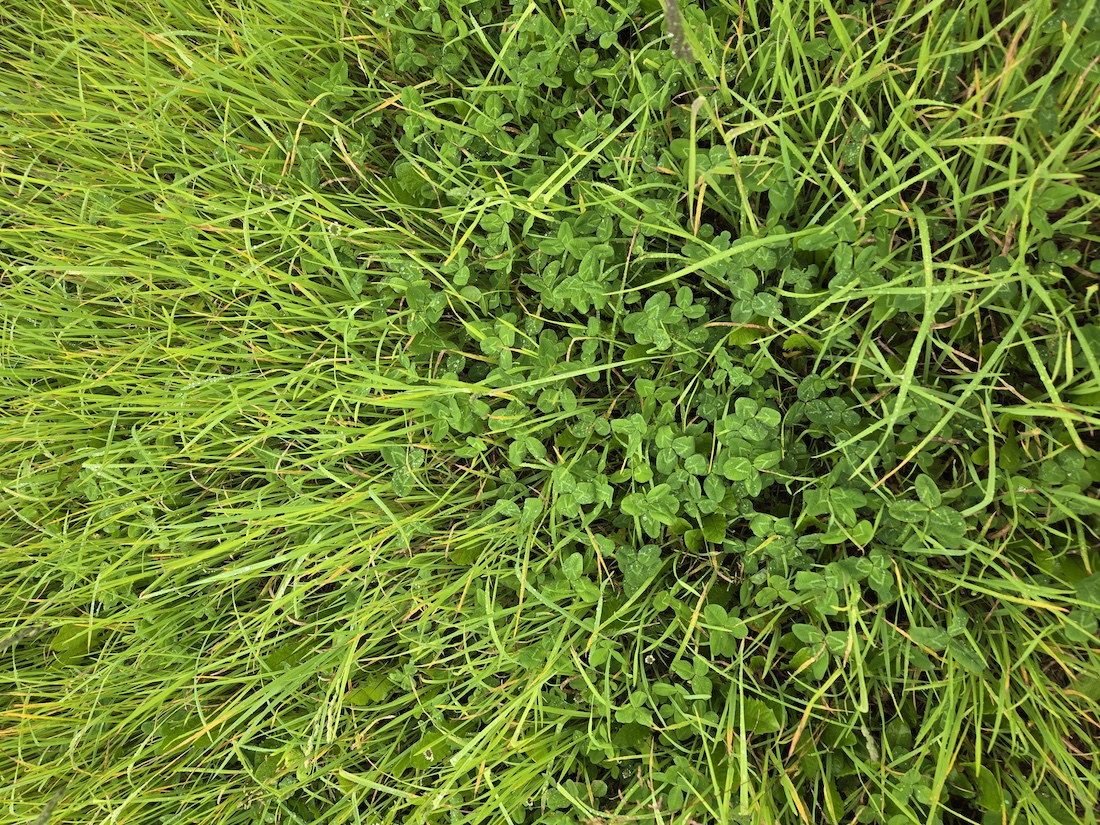
Before deciding how to tackle the problem, it helps to get a clear picture of what survived and what didn’t. A simple walk through the pasture can tell you a lot. Notice how much of the ground is actually covered by grass. Look for bare spots, patches of annual weeds or stubborn perennials that seem to be spreading. This kind of inventory doesn’t take long, but it can guide your next steps and keep you from spending time or money where it won’t make a difference.
Weed control options
Many seasoned grazers will tell you that the best weed control is a strong stand of forage. When grass is healthy and dense, it naturally shades out many weeds before they get started. After a drought, that means giving pastures a little extra care. Resting them early in the season helps grasses rebuild their root systems. Avoiding overgrazing keeps the soil covered and protects the forage you still have. Fertility based on soil tests can give grasses the boost they need, and overseeding thin areas can help fill in the gaps. Bit by bit, a stronger stand will do more to hold weeds back than any single product or practice.
Herbicides can play a role, but they work best when used thoughtfully. Perennial weeds often respond better later in the summer or early fall, while annual weeds are easier to manage when they’re small. Spraying the whole pasture isn’t always necessary, and it can take out clovers and other beneficial plants along with the weeds. Herbicides can clean up trouble spots, but they can’t rebuild a pasture on their own.
Build resilience
The last couple of years have reminded all of us just how unpredictable weather can be. Building resilience into our pastures through flexible stocking rates, rotational grazing and a mix of forage species can help soften the blow when conditions turn harsh again. Checking pastures regularly throughout the season can also catch small problems before they become big ones.
Weeds after a drought aren’t just a nuisance; they’re a message. They point to thin stands, tired plants and places where the pasture needs a little help. As summer gets underway, taking the time to look closely at what’s growing in your fields can guide your decisions for the whole grazing season. A pasture can recover, but it starts with knowing what’s out there and giving the forages a chance to come back.