By John Schumacher
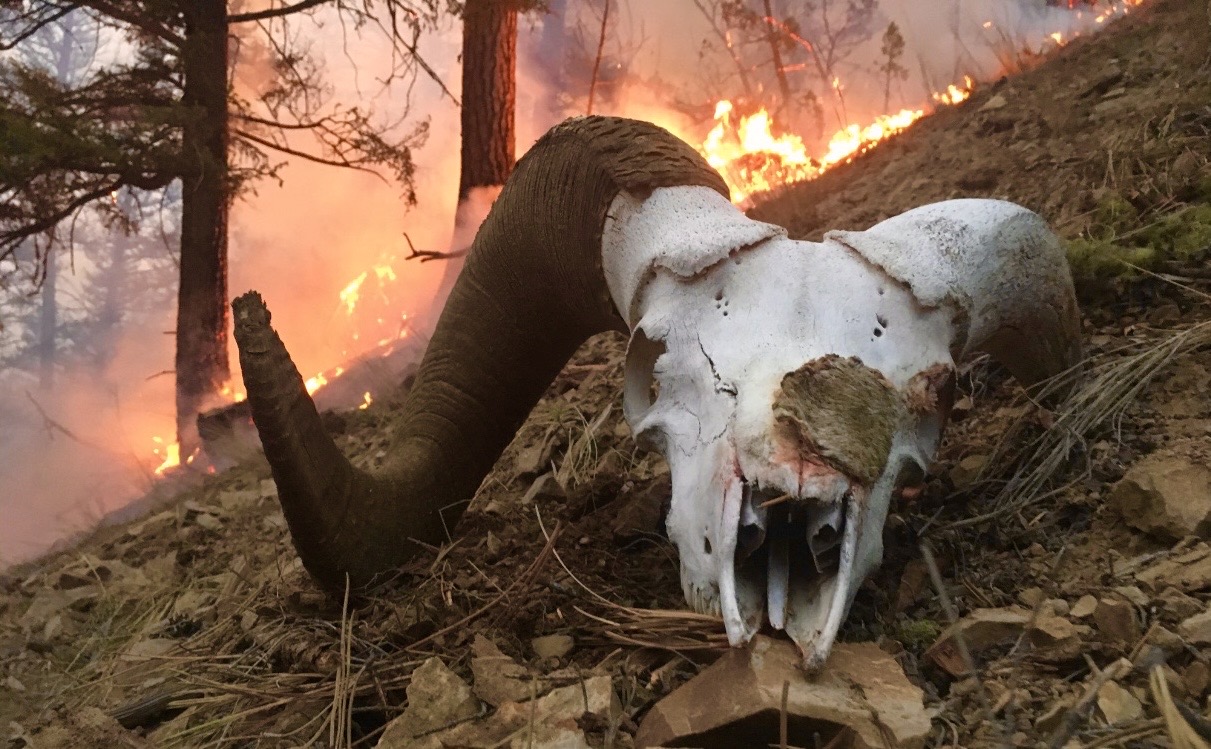
In this article of “The Dirt on Conservation,” we’ll discuss the use of fire as a management tool in Ohio and the rest of the United States. I also want to talk about the difference between the terms “wildfire” and “prescribed fire.”
Wildfires are not something that we deal with often in the eastern United States, so when they do happen, they tend to come as an unpleasant surprise to those who don’t realize that they can happen here.
Fire triangle
Parts of southeast Ohio have now had two summers where drought conditions were prevalent. As we head into October, many of these areas with severe drought and lack of rain could have fall conditions that are conducive to wildfire growth and spread.
This month, the majority of our hardwood tree species will be dropping their leaves. Leaf litter building up on the forest floor with no rain to compact it makes for a very receptive fuel bed for fire. Combine the newly dried fuel on the ground with warm temperatures and a steady wind behind it, and you have the three factors that make up the fire triangle.
Fire needs three ingredients to sustain itself: oxygen, fuel and heat. Windy days provide the oxygen, while leaf litter, grasses and dried out woody material provide the fuel. Finally, the sun or ambient temperatures provide the heat necessary for fire spread.
There is a reason that our fire seasons in the East occur during the fall and spring months. In the fall, fresh leaf litter is deposited on the ground, giving fire a continuous fuel bed to spread through. In the spring, leaf litter can burn as well, but also grass is typically available as a fuel source since most of the grasses in March and April are dormant and may be cured out.
In comparison, most states in the West have fire seasons during the summer. In the Rocky Mountains, the lowest humidity and highest temperature days on average occur during July and August. They also have different tree species that are adapted to fire and are more likely to ignite in the summer months.
This year is a reminder to take burn bans seriously and to check with local volunteer departments before any type of open burning. Most people like to burn brush piles on days when the pile burns hot and has the most consumption. Unfortunately, if it’s a good day to burn a pile, it’s also a good day for the rest of the woods to burn.
Tarp it
One tip I have for those who are going to burn brush piles is this: Tarp your brush pile if you have one big enough and wait for a time when open burning is allowed. The tarp will allow the pile to dry even during heavy rain periods. Wait for a heavy rain day or even better, a snow day before taking the tarp off and then lighting the pile. You will have better consumption of the pile while decreasing the risk of the fire spreading. Again, always check with local authorities before lighting a fire to check the current burning conditions and whether or not a burn ban is in effect.
Prescribed fire
Now that we’ve discussed wildfires, I want to talk about prescribed fire and the potential benefits of it when used correctly. Prescribed fire, also known as a controlled burn, is a planned fire that is lit to meet a certain management objective. Fire lines and breaks are put in place, and burns are planned on days where the likelihood of a burn escaping and becoming a wildfire is very low.
Land agencies like the Forest Service and the BLM conduct these types of prescribed fires to reduce fuel loading to decrease the risk of large wildfires in the future. Prescribed fires are also used to maintain or create wildlife habitat.
Wildlife consultants, especially in the southern United States, use fire frequently to create early successional habitat that benefits game animals such as deer, turkey and quail.
Forest managers in the East use prescribed fire as a way to regenerate oak and hickory species by allowing the fire to burn hot enough to kill or suppress fire-intolerant species like red maple and yellow poplar. Fire-tolerant species are then allowed to grow without the competition of these other species; this allows for more sunlight to reach the forest floor for young oak and hickory seedlings to germinate out of the ashes.
Using fire in pasture management is becoming increasingly popular as a way to control unwanted woody species such as multiflora rose. There is also improved forage quality after a fire, as new shoots can be more tender and palatable for cattle.
As much as I preach about the benefits of prescribed fire, these types of intentional burns are complex to pull off safely and should never be done without receiving the proper qualifications to do so. There are also qualified contractors for hire around the state that do have the credentials to legally burn on your property.
With climate change helping fuel longer burn seasons across the United States, we can expect that fire will be more prevalent in the East going forward. This will also mean that the burn window for prescribed burns will increase as there will be more days on average during the year that are conducive to fire. Although it will still be rare, on average, we will likely see the number of wildfires increase in the East over the next 50 years.
Having spent most of my career in wildland firefighting roles in the West, I have seen firsthand fire’s destructive power, while also witnessing its regenerative function that so many of our natural systems in North America could benefit from. The more we understand fire, the better we will be able to adapt and live with it, while learning to use it as a tool in certain situations.
For any questions, contact your local soil and water office or the Ohio Division of Forestry, and always be sure to check Ohio’s burning regulations before lighting anything.
(John Schumacher is a forestry and wildlife technician for Monroe County Soil and Water Conservation District. He can be reached at 740-472-5477 or johns.monroeswcd@gmail.com.)