
As humans, we understand that there is a difference between being frightened and being stressed. We may not realize that cattle can have the same experiences, and they are just as different.
When you are at a haunted trail this Halloween, and someone jumps out from behind a bush, you can be visibly startled and may scream. When we, or our cattle, are scared, the body responds by releasing catecholamines, such as adrenaline. The release of adrenaline prepares the body for the short-acting metabolic requirements of “flight or fight.”
Stress, on the other hand, does not produce the immediate physical response from being scared but leads to higher, sustained levels of hormones such as adrenaline and cortisol. Temporary release of adrenaline isn’t necessarily a bad thing. It is one of the hormones involved in parturition, and when accompanied by cortisol, it can lead to improved fitness by increasing metabolism. It is when stress is prolonged that we begin to see the undesirable effects. Chronic stress leads to depressed immune function, loss of appetite, increased restlessness and decreased production.
Sources of stress
Almost everything that happens on our farms can be a stress producer in our cows. I assume everyone is familiar with heat stress, as it is the most researched stress event in dairy cattle. There can also be nutritional stress, handling stress, transportation stress and social stress, to name a few others. Of those I have mentioned, social stress may be the one that is least recognizable on the list.
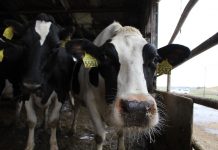
Cattle are by nature social animals. They find comfort in being with the herd, but they want to be with a stable herd. The changing of pen mates introduces novelty, and novelty is a significant stress event. Animals take time to acclimate to new experiences. The new experience could be a new location, new pen mates or a new farm employee. They will be cautious around the new situation, and their behavior will change until they adapt to the new situation.
Our modern dairy production management introduces a lot of novelty. You may contract your heifer development to another facility or, at a minimum, raise your heifers in a common group only to introduce them to a new group to calve and then another new group once they have entered the milking string.
You may then regroup your cows once they are past peak milk so that you can manage their nutritional needs better. This frequent regrouping introduces stress that can impact their performance. Regrouping may be unavoidable, but there are things you can do to mitigate this stress.
- Don’t move single animals. Move as large a group as possible to the new pen. Every pen has a social hierarchy. There are a few boss animals and some subordinate animals. If you take just one, the new pen mate could be the focus of bullying by all the other cows in the pen. They will try to exert their dominance by limiting its access to stall, feed bunk and waterer space.
- Don’t overcrowd your pens. Research from the William H. Miner Agricultural Research Institute determined that when freestalls and headlocks are overstocked to about 115%, there was no observed difference in lying and rumination time. Increasing stocking density above 130% decreased lying, feeding and rumination time. Moving larger groups of cows reduces the opportunity for the entire pen to bully the one new group member. Also, by ensuring sufficient physical pen space, it is easier for the subordinate members to have access to the resources needed.
- Manage the photo period. This means giving the cattle a period of darkness every day. I know some people like to sleep with the lights on. I need it to be pitch black, or a football game on the TV, to go to sleep. Cattle need a period of darkness each day to properly rest. It is recommended they get 16 hours of light and 8 hours of darkness. In large operations, there is activity around the clock. During those darkness hours, you can use a red-light system in place of your normal white fluorescents to not interfere with their rest period.
Physical changes to watch for
Stress causes behavior changes that lead to physical changes. Fortunately, this is one place where technology has really helped. Collar, ear tag and bolus monitoring systems are all based on animal activity. Stressed cows will spend more time standing and/or pacing the barn. They will have reduced feed and water intake, resulting in decreased rumination time and production. It will take them longer to let their milk down, resulting in more time spent in the parlor and possibly higher somatic cell count and incidence of mastitis.
Conversely, a content cow is a low-stress cow. She will spend more time resting and chewing her cud. They will have higher dry matter intake, higher milk production and take less time to milk out. Managers can use this data to identify when stress increased and then determine what the potential causes are.