


From June and into July, we tend to see a transition in our pasture management. The first couple of weeks of June will typically provide proper moisture and temperature favorable for cool-season grasses.
As we move into the period when temperatures rise, our cool-season grasses will slow. Planting warm-season annuals such as forage sorghum, sudangrass, sorghum/sudangrass hybrids and millets in designated fields can help you get through the summer when the cool-season grasses are dormant. This is where having a grazing management plan in place will help guide decision-making on the farm. Like other management goals, summer pasture management should be no exception.
Slow down
First, we should be slowing down the rotation of livestock and allowing more time for the rest of the forages to recover. As summer progresses, the rest periods between grazing paddocks can be up to 30 days depending on the temperature and rainfall.
The goal is to ensure that pastures are not overgrazed, and we are leaving leaf residue. By doing this, we are protecting the soil and utilizing photosynthesis to assist the plant in recovering more quickly. Move livestock when grasses are grazed down to 3-4 inches. This will help reduce stress on the plant and maintain forage diversity and productivity.
Stockpile
Second, summer is an opportunity to stockpile forages for late fall and winter grazing. Try to stockpile fields that have fescue; the forage is known for its ability to maintain high levels of nutrients in the winter months compared to other cool-season grasses. Other forage species will deteriorate more quickly after a killing frost and will not maintain quality. Identifying fields that have well-drained soils will be better suited for grazing stockpiled grasses than fields that are not well-drained.
Keep weeds in check
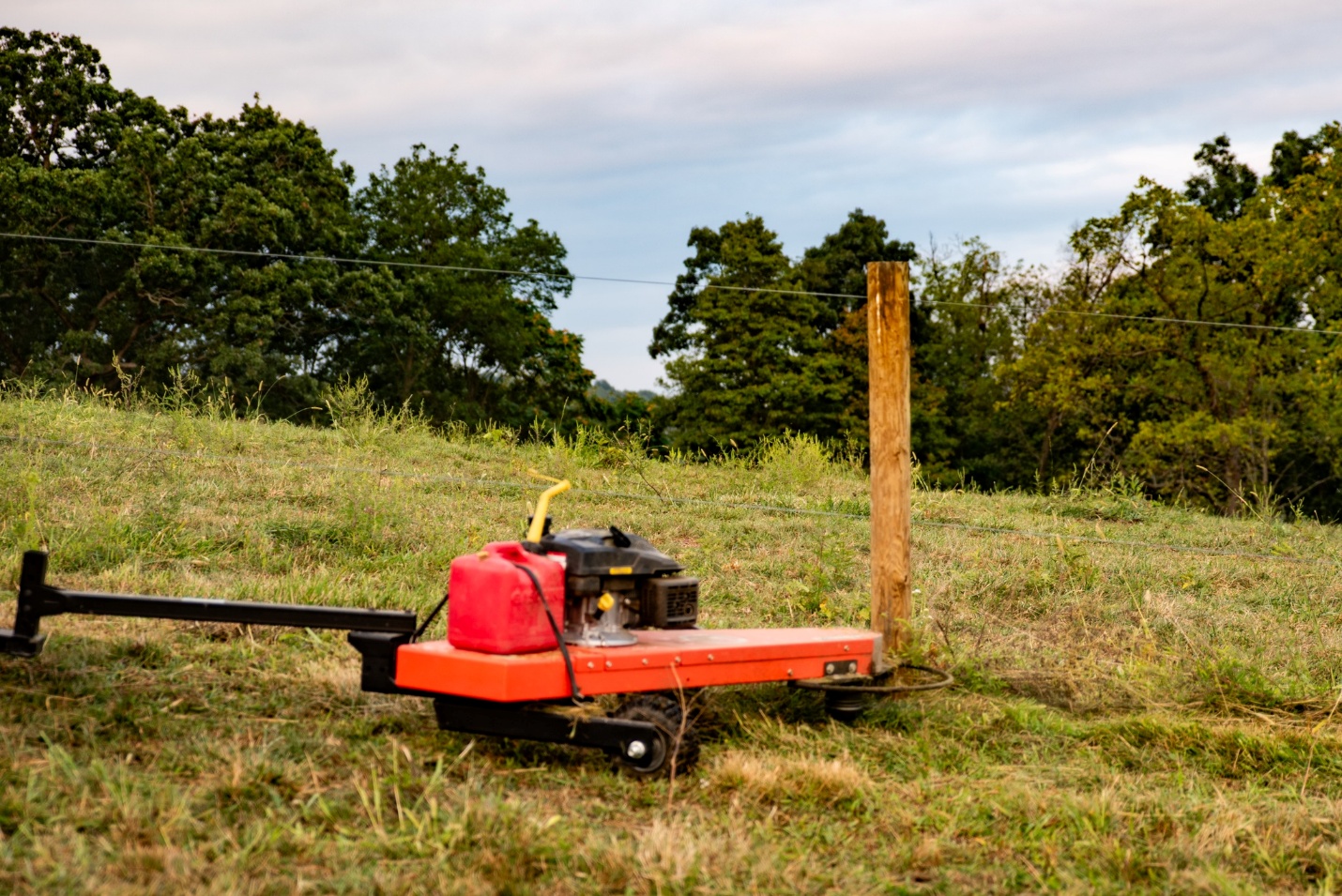
Lastly, keep in mind that you will have weeds to deal with. Weeds can become more prominent in hot, dry weather and keeping them in check is important. Controlling weed seeding and clipping pastures at the right time can do just that. Spraying herbicides can be effective as well but it can become less effective when temperatures reach into the upper 80s and 90-degree range.
These are just a few tips for summer pasture management that can make a big difference to get through the hot summer and prepare you to graze longer into the fall and winter.