


Keep an eye out for blackleg this summer
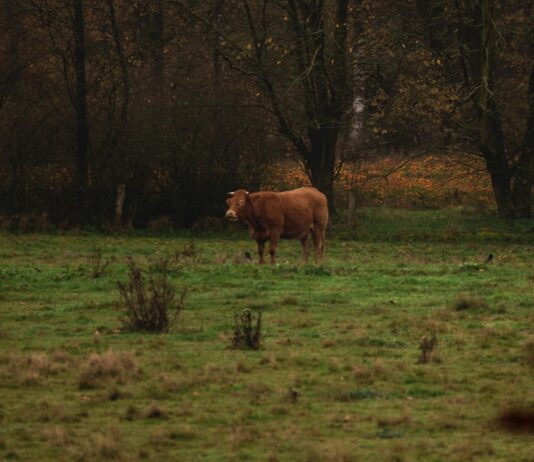
By taking preventive measures and being vigilant, farmers can significantly reduce the risk of blackleg in their livestock this summer season.

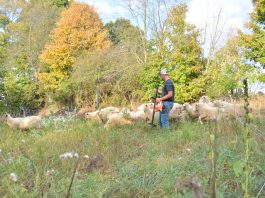
What grazing strategy will you choose?
Ohio State Extension educator Josh Winters considers the value of different grazing strategies.
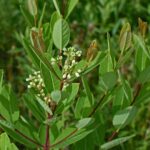
Working around hemp dogbane
Ohio State Extension agriculture and natural resources educator Cliff Martin offers tips for managing hemp dogbane in agricultural fields.

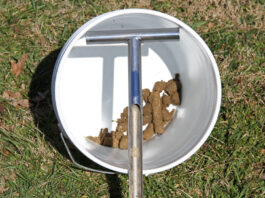
Pasture management can help control internal parasites
Ohio State Extension educator Dean Kreager shares tips to decrease internal parasites in pasture-grazed herds through mindful management.

It’s never too early to scout for ticks and tickborne disease
Ohio State Extension educator Timothy McDermott provides management tips for cattle operations to mitigate the impacts of the invasive longhorned tick
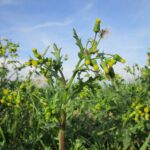
Strategies for managing weeds and restoring pastures after drought
Ohio State Extension educator Heather Neikirk provides tips for managing weeds in pastures following last year's drought.
Stocking rate affects everything
Ohio State Extension educator Sandra D. Trushel offers insight into pasture stocking rates for cattle farmers.

Now is the time to assess spring pastures for damage
Ohio State Extension educator Ed brown provides tips to assess any lingering pasture damage from last year's drought in Ohio.

How to prevent grass tetany in your herd
Ohio State University Extension educator Ted Wiseman offers insights to prevent grass tetany in cattle herds.

To graze or not to graze?
Ohio State Extension educator Garth Ruff weighs the pros and cons of grazing in early spring.