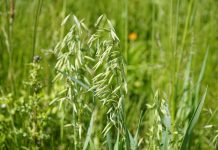



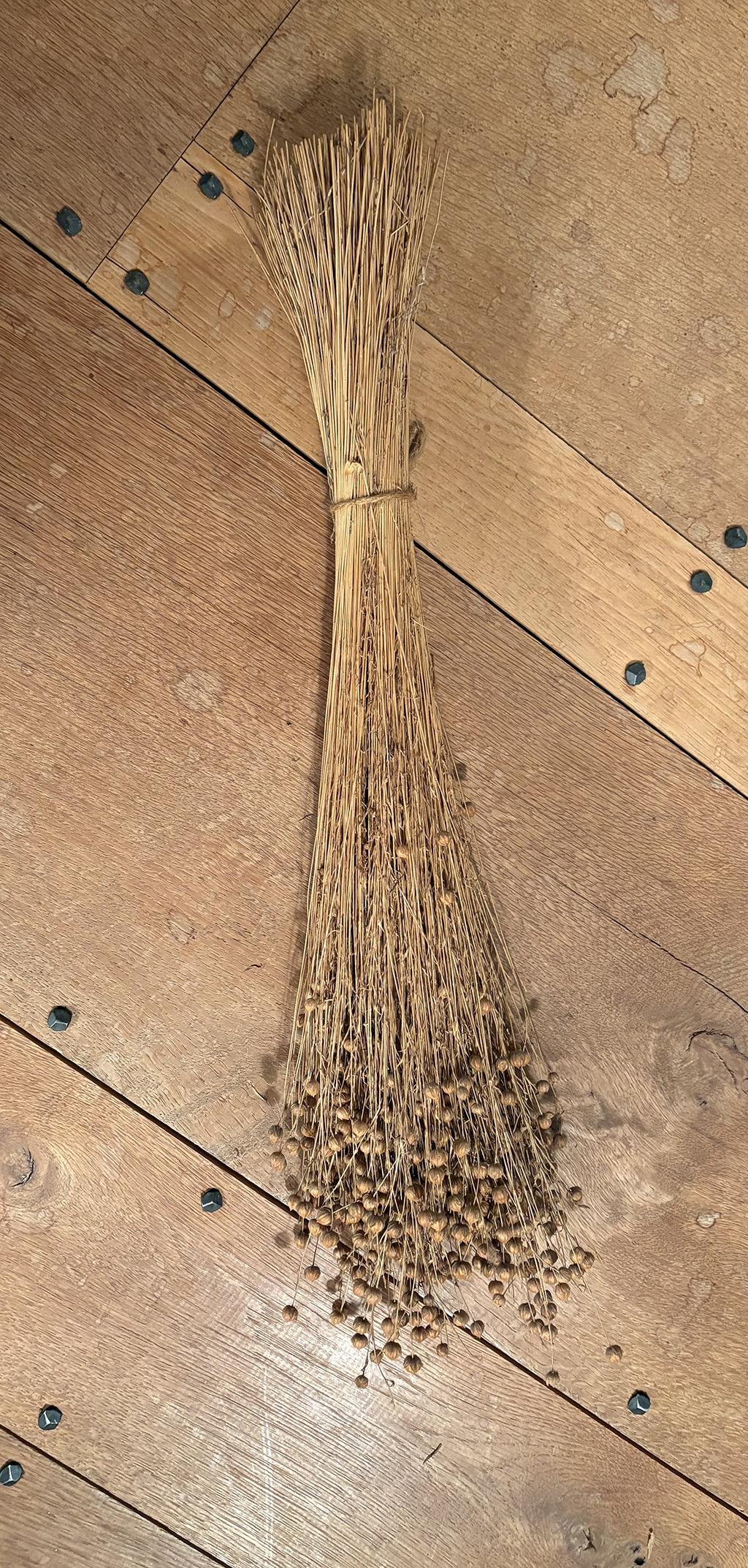
In the Buckeye Agricultural Museum and Education Center in Wooster, Ohio, where I’m the curator, we have a large display related to the cultivation and production flax.
When visitors walk up to the exhibit, they almost invariably look quizzical, scratch their heads and ask, “What’s flax? Never heard of it.”
So, it’s time for some educating here about what was arguably once the single most important crop during much of the 19th century across the Ohio Country — a crop that has now apparently been almost forgotten.
To start with, flax has been with humankind long before Europeans discovered the Western Hemisphere. In fact, it is the oldest cultivated fiber plant, with evidence of growth and use dating all the way back to the 5th millennium BC in Mesopotamia and Egypt. For centuries it was called usitatissimum — translated: “being of greatest use.”
The Egyptians turned lower grade flax into rope and string, while the finest quality flax was reserved for making cloth.
Flax provides the raw material from which linen is made. It is an annual which grows two to three feet high on a slim branching stem. The plant is topped by a delicate blue flower. However, it is the hollow woody stalk that is harvested and manufactured into linen.
Flax can be spun into thread because of various properties inherent in the fiber. These include its length, which is two to three feet when properly harvested and prepared. It also has a high pectin content. When wet, pectin acts as a glue to help bind fibers together. In addition, it has nodes along the length of the fiber (similar to those found on bamboo), which cause the fibers to more readily adhere to one another.
Other than the Chinese ramic plant, flax claims the greatest strength of any tensile fiber. Moreover, it is 20% stronger when wet, in addition to being highly absorbent and able to dry quickly. The fiber’s high wax content gives it a lustrous finish, characteristic of linen.
If not exposed to synthetic bleaches or mechanical drying, a routinely used linen sheet can last for more than a century.
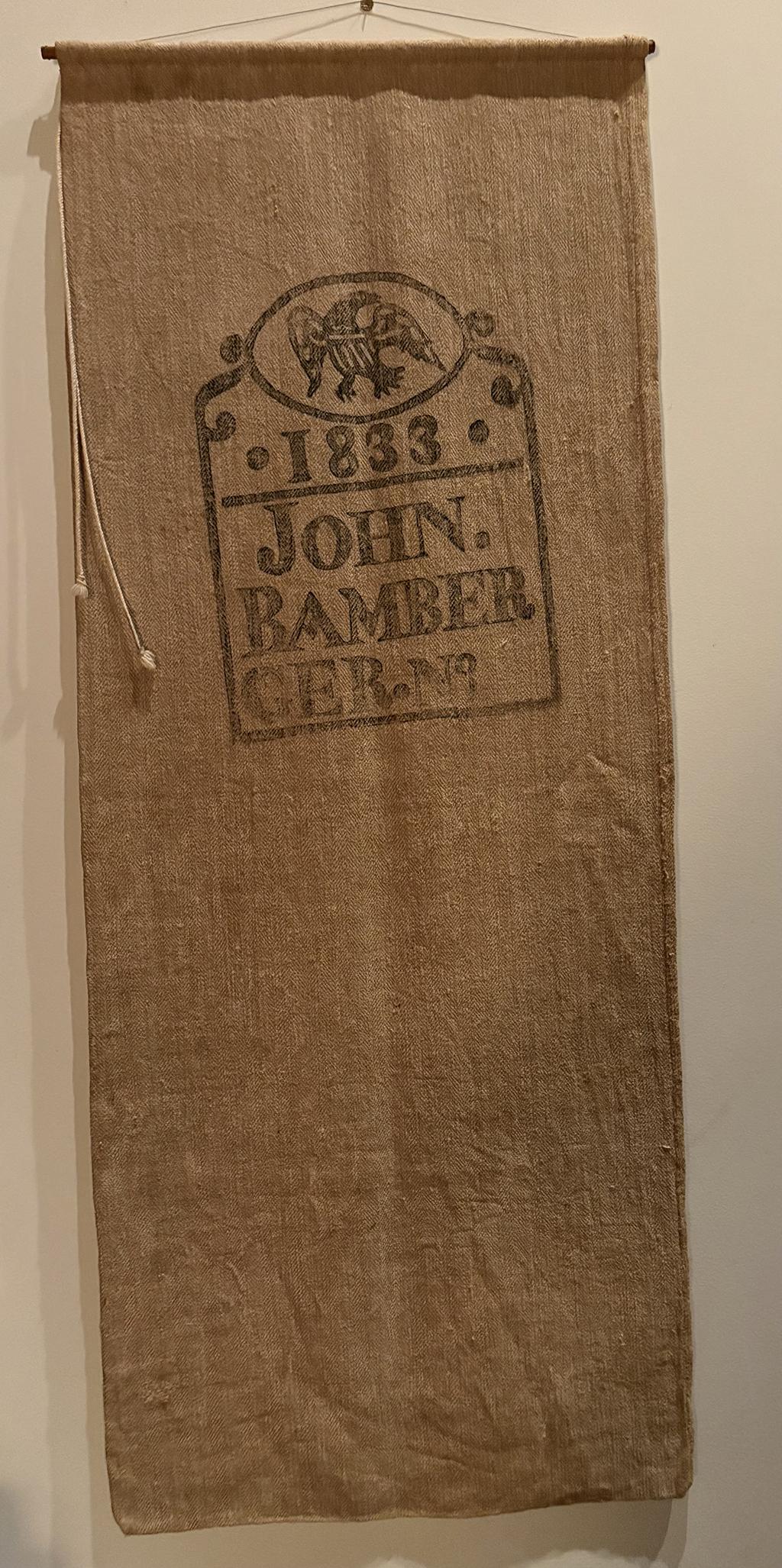
Linen, which was a common fabric for the lower classes, was a fabric for clothing worn in warmer weather. It was also used for bedding, sacks, rope and ship sails. With a crop of flax and a few sheep, a family could satisfy its need for cloth, and maybe even make a profit.
Making flax an even more valuable crop is the fact that its seeds can be harvested and pressed to obtain linseed oil which is used in paint, wood preservatives and animal fodder.
Flax seeds are typically sown before the end of April and require about 100 days to mature. The crop is generally ready for harvesting in mid- to late August — right about now.
Flax can be grown with oats, since both are harvested at the same time. If flax seeds are planted close together, weeding is unnecessary. And it is also good practice to have flax plants close together since this discourages branching. In the end, the part of the plant that is useful is the stem.
Because flax grows well in cooler climates — unlike tobacco or cotton — it was an ideal cash crop all across the Ohio country, although its primary use was in making thread to weave cloth to make clothing for the settlers.
In the next column we’ll learn about the history of flax and how it came to America. Stay tuned.