


There are periods during the annual growing season when you expect discussions of specific topics to appear in your agricultural news feeds. In early spring, someone will discuss the ideal time for first turnout onto pasture. You should also see an article on grass tetany prevention.
As we move towards early summer, there will be recommendations on making hay and alternative forages. As summer finishes, and we have cool fall temperatures on our minds, we need to revisit stockpiling forages. You may have read countless columns on forage stockpiling, or this could be your first, but we are in the middle of your window to prepare some of your acreage to winter grazing opportunities.
What is stockpiling?
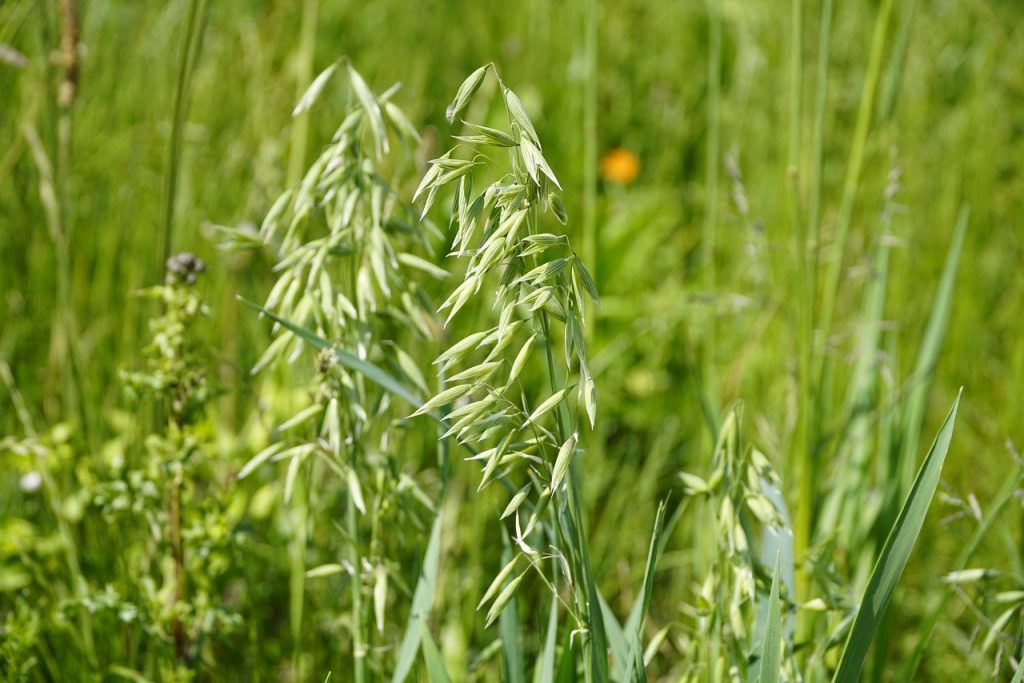
Forage stockpiling may also be referred to as “standing hay” or “fall accumulated forage.” Regardless of what it is called, the process is quite simple. You identify a grazing paddock, or paddocks, where you allow forage mass to accumulate during the autumn growing season and then allow grazing livestock to harvest this forage for you in late fall or throughout the winter months.
The system has the benefit of not requiring the expense of mechanical harvest of the forages and the required hay storage. It does carry some risk. If you experience a dry fall, you may not produce enough standing forage to recoup the expense of the recommended nitrogen application.
What forage species are best for stockpiling? While any cool-season forage can be stockpiled, research has shown that tall fescue is ideal for this practice. It is followed closely by early maturing orchardgrass and then your later maturing orchardgrass species. Tall fescue has been shown to have a more uniform growth pattern over the season. It accumulates dry matter well in the late summer and fall growing periods, and doesn’t experience the same amount of quality loss as other species. The waxy, stiff leaves hold up better under winter snow cover, and helps it to better resist frost damage and deterioration. As much of this forage will remain vegetative until the first killing frost, there are fewer seed heads produced and the plant material will also have lower concentrations of ergovaline and endophyte toxin, further reducing as we move into the new year.
What could the yield and quality be?
Ohio State University research has shown that stockpiled forages can provide 1,500 to 3,000 pounds of dry matter per acre. This forage can have a total digestible nutrient value of greater than 50%, but quality can decline the longer you delay to graze. Late October grazed forage can have a crude protein value of 12% to 18%, but will decline as grazing is delayed.
Research from the University of Wisconsin predicted that crude protein can decline by 2% and digestibility can reduce by 3% between October and December. This makes the practice most suitable for mature livestock and those in late stages of gestation. Younger livestock, or those nursing mothers, would need to be supplemented to meet their needs.
How to stockpile?
Late August to early September is the ideal time to consider stockpiling forages as a method to extend the grazing season. You can begin the process by identifying fields that are well-drained and tolerate animal traffic during early winter. These are also areas where you can avoid grazing throughout the remainder of fall grazing window.
Once those fields have been identified, it is recommended that you harvest the current forage, through mechanical harvest or grazing, to a height of 3 to 4 inches. Following harvest, it is recommended that you apply approximately 50 units of nitrogen, and that this application is made at least six weeks prior to the first killing frost. If you delay beginning the stockpiling process to later in September, you should consider increasing the nitrogen application rate to 60 units per acre. Once the application is made, you will ignore this area, allowing it to grow, until you are ready to graze late in the year.
How to utilize stockpiled forages?
Once your remaining forages have entered the fall dormancy period, after the first killing frost, it will be time to begin grazing the stockpiled acres. It is recommended that you use a strip grazing technique to best utilize the plant material available. This simply involves allowing your animals access to small portions of the field, allowing them to consume the forage in this area, before rotating them to another section. As an example, if you have 25 cows weighing 1,500 pounds, they need access to 60 pounds of dry matter each day or 1,500 pounds of dry matter per day for the group. If you estimate you have 1,500 pounds of dry matter per acre, then you need to give the group one acre of stockpiled pasture each day. When calculating the dry matter needs of an individual animal, I estimate that they will utilize 4% of their body weight each day (1500 X 0.04 = 60 pounds/animal/day). They can consume about 3% of their body weight and may trample 1%.
Summary
Stockpiled forages can be a cost-effective means of supply feed to your livestock. It will require you to reserve acreage to the practice and carries the risk of limited dry matter accumulation due to lack of rain. Cliff Little, retired educator for OSU Extension, wrote an article for a recent OSU Beef Team Newsletter discussing the value of stockpiled forages. He indicates that the breakeven for stockpiled forage is when urea is priced at $400 or less per ton and hay dry matter is valued at $60 per ton or higher. Although weathering will gradually reduce forage quality and dry matter content, stockpiled forages can even be grazed into the winter months. Beef cattle have been shown to graze through tall fescue covered with up to a foot of snow.