
The fall hunting season and crop harvest are in full swing here in Ohio. Hunting is one of the biggest hobbies for many, while farming is a way of life for many others.
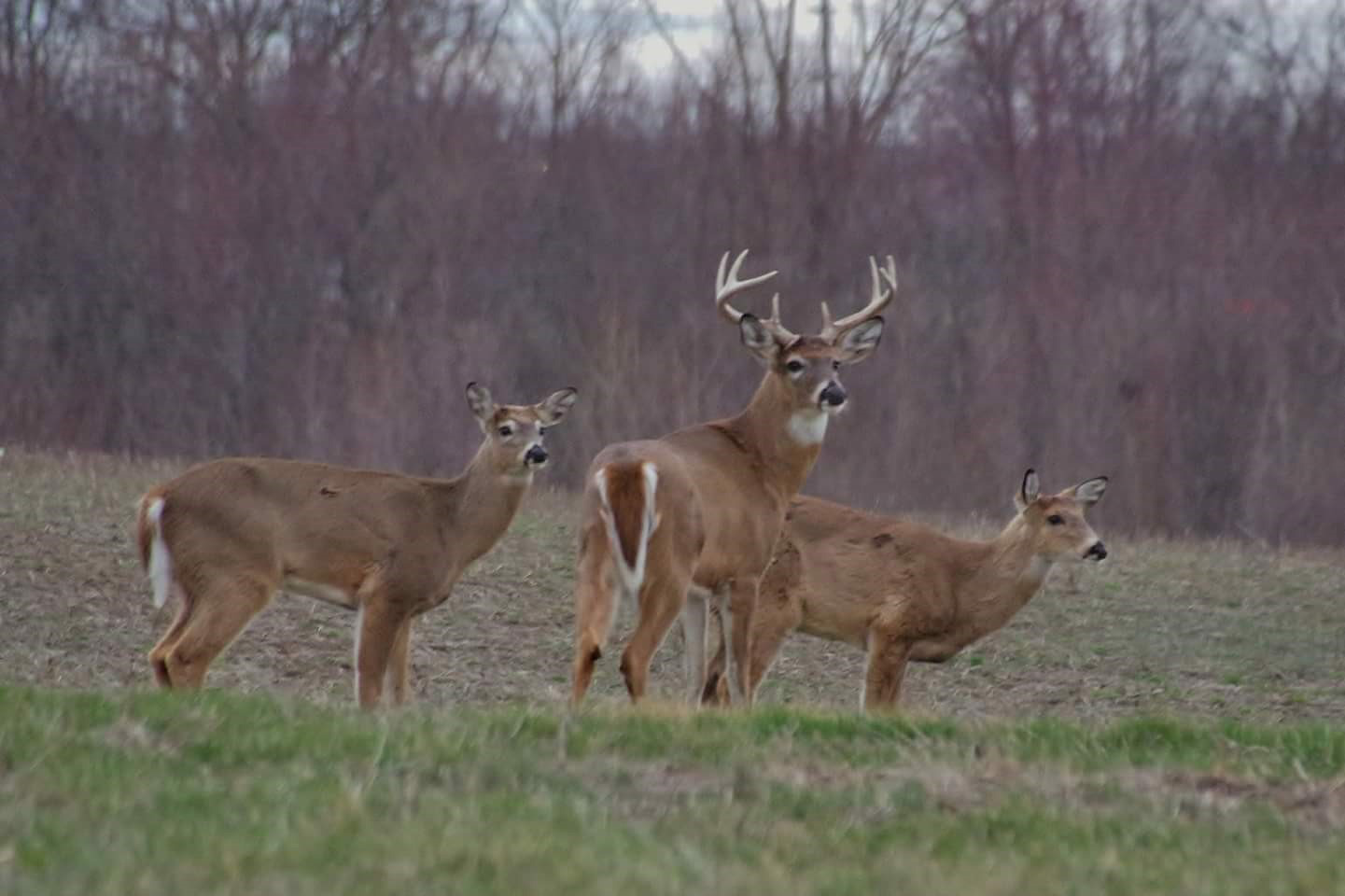
White tailed deer and turkey are the most sought-after game in the United States. Adding wildlife plantings to an area not only increases your chances of harvesting game but is a great conservation tool for the soil as well.
Let’s face it, wildlife is everywhere, some more or less in certain areas, but regardless, they can do some serious crop damage. I talk to many farmers throughout the year, and I will frequently ask them how the crops look, how the crops finished out or what yield was produced. Normally, wildlife damage is brought up in the conversation that follows.
Most of them mention the overall white-tailed deer population is high in our area. Many of our fields are relatively small in size in east central Ohio, so they can be damaged a lot more easily compared to larger fields of central and western Ohio.
Whether it is on land you own or have permission on from a local farmer, you can work together to maintain a balance of productive cash crops and wildlife populations. The wildlife will be there regardless, so adding a food source for wildlife will not attract more but can reduce pressure on the cash crop.
These wildlife seedings can be annual, perennial or habitat-related. I have even heard of some farmers doing a small sacrifice field of soybeans to reduce pressure on the main fields. Some farmers are converting cropland to hay because it is just not worth it anymore.
If you have land of your own, you can do pretty much anything you want since you control the land. Maybe you own land, but you are not a farmer and an outdoor enthusiast instead. Find a nearby farmer to lease your crop or hay fields to as they may be glad to add some acres to reach their goals of grain and forage production.
If you do not own land, work with a farmer to add cover to their crop fields after harvest. Many of these situations will consist of annual plantings, but you could use a fallow or unused area for a perennial planting.
Planting wildlife food plots can be as expensive or inexpensive as you would like. You can try to work out a deal with a producer and split the cost, as it can become a win-win situation for both.
Most farmers apply lime and fertilizer to their crop fields in the first place. This opens another situation where you can offer to offset those costs in exchange for hunting permission or adding wildlife plantings.
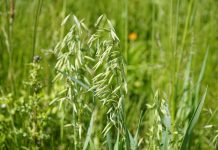
A mix of different species for a wildlife seeding will be better as each one plays a different role for the soil and nutrients and can attract wildlife at different times of the year. For example, brassicas and oats will winterkill, while winter wheat and rye will keep the soil covered and in place all winter long. The latter may be a better option for providing a green food source for wildlife all winter and to help a farmer control soil erosion in the hills of eastern and southeastern Ohio.
Most farmland is accompanied by surrounding forest land. Here you can create wildlife habitat by doing some timber stand improvement or TSI. Many forest owners have forestry management plans and practices that need to be put in place to fulfill that management goal.
Offer to hinge cut some of the less desirable trees for wildlife cover or girdle some invasive species to allow native species to flourish.
Helping a forest landowner may grant you hunting permission all while improving habitat for the wildlife you are pursuing and increasing crop yields for the farmer next door.
You can be out enjoying a favorite pastime while reducing wildlife numbers that can be wreaking havoc on a farmer’s crops.
Not all situations may work out, but, all in all, farmers and hunters working together can both accomplish many goals on the same piece of property.