


Besides the warm weather and sunshine, one of the things I truly enjoy about summer is the SOUND of the season, which includes my favorite noise makers: the spring peepers and chorus frogs!
Perhaps you might hear the trill of tree frogs, the banjo plucking call of green frogs or the low drumming of a bull frog. It seems to me that I used to hear more of them years ago, and it turns out I was right.
Amphibians — frogs, toads and salamanders — are among the most threatened animals on the planet. In the U.S., nearly one-third of amphibian species are declining, and globally over 40% face extinction. Habitat loss, pollution, climate change, disease and invasive species are driving these declines.
I know it is important to understand and teach that amphibians are sensitive to environmental changes. They do not drink water; they actually absorb it through their skin. Yes, it is permeable, allowing water and dissolved oxygen to pass through. Because amphibians rely on both land and water to survive, they are important indicators of ecosystem health. Their permeable skin also allows them to absorb toxins, making them natural bio-monitors of environmental quality. Sadly, they are in decline.
As many as 40 species of amphibians call Ohio home, including the American toad, spring peeper, green frog, spotted salamander and the endangered Eastern hellbender — the largest salamander in North America. These native species play crucial roles in local ecosystems. As predators, they help control insect populations, including mosquitoes and agricultural pests. Did you know an average toad eats almost 10,000 harmful insects during a 3-month period? As prey, they are an important food source for birds, fish and mammals.
To help reverse amphibian declines, we can act in our own backyards and communities. Protecting wetlands, vernal pools and forested stream corridors is essential. Avoid using pesticides and chemical fertilizers that can run off into waterways and harm amphibians. Creating amphibian-friendly gardens with native plants, leaf litter and small water sources can provide habitat for frogs and toads. Even small changes — like placing a shallow dish of water or building a toad abode — can make a difference.
Participating in citizen science programs like FrogWatch USA and encouraging schools and communities to protect natural areas all contribute to protecting amphibians. Raising awareness is also vital. Many don’t realize how many amphibians live near them or how much they matter.
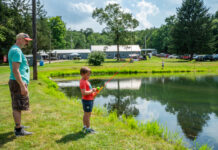
So, get out and go try to catch some tadpoles, or “pollywogs,” and learn about a frog’s life cycle. Then you can appreciate all they do for us! If you’re lucky, you’ll get to hear the adult croaking frogs too.