



I’ve worked in the environmental field for over a decade, and throughout my time surveying trees and encouraging people to plant trees, I’ve heard person after person dismiss the boxelder, Acer negundo. Some say that it doesn’t have much value, while others even label it a “garbage tree.”
But let’s not dismiss this wonderful underdog. This scrappy tree holds many benefits like its fast growth and short lifespan, how it holds onto its samaras and its ability to grow in diverse environments.
Benefits of living fast and dying young
“Live fast, die young” might sound like a movie title, a rap or punk song or a biography for James Dean (all are true), but it could also serve as the motto for the boxelder. This characteristic makes it an unappealing yard tree to most people. After all, who would want a tree that drops branches, splits and dies off in odd ways? Not many people, but these characteristics make it a wonderful resource for stream health, forest growth and wildlife.
Live fast
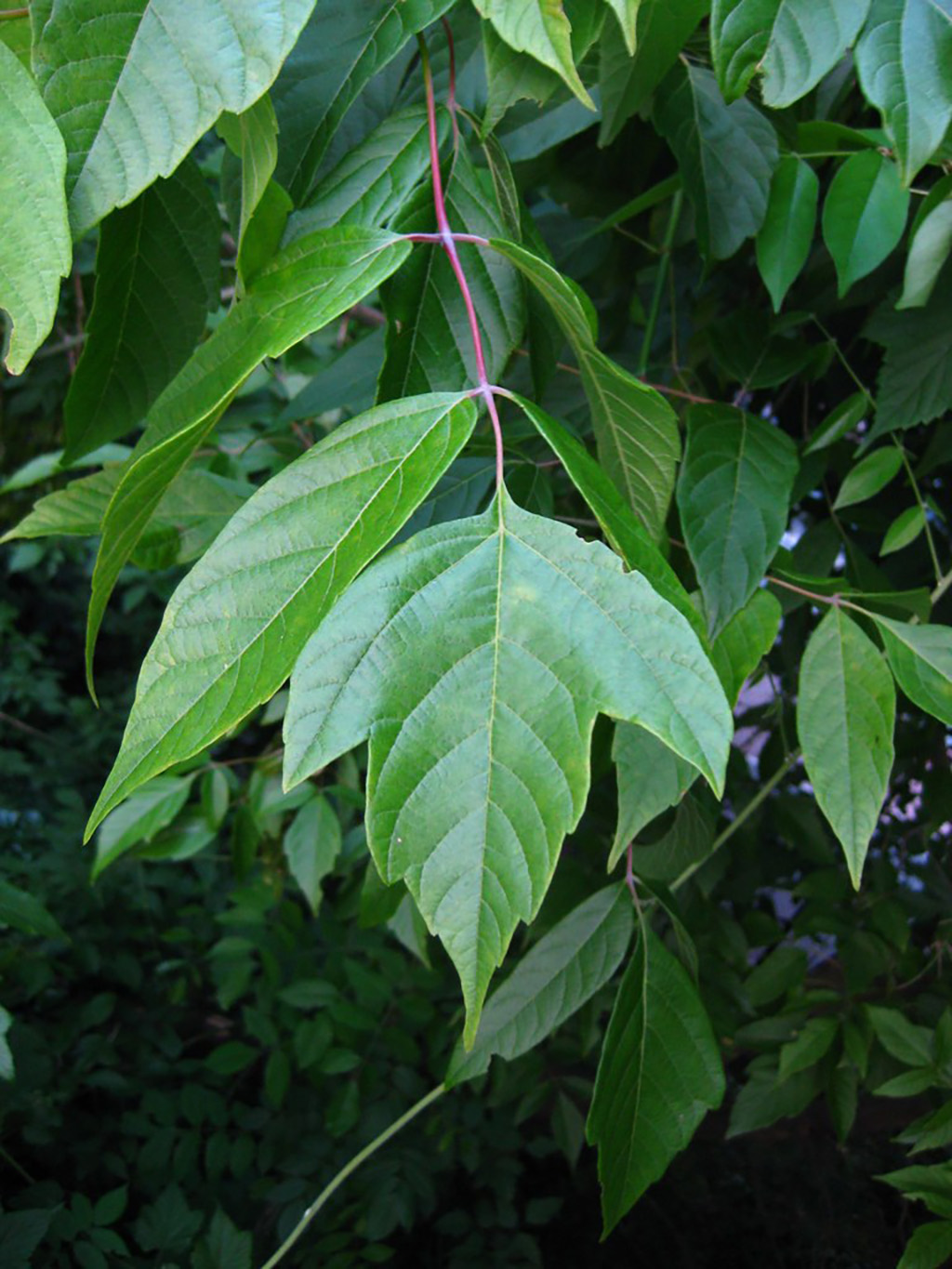
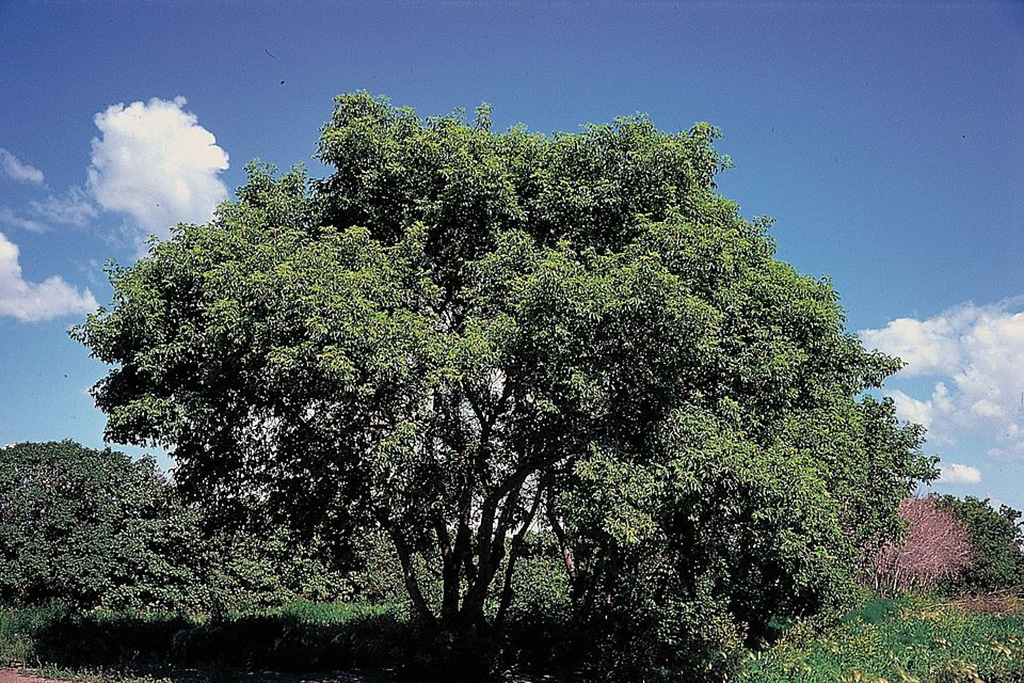
The boxelder is an early successional species, meaning it grows quickly and can adapt to the harsher conditions of bare, disturbed or altered land. Without having vegetation on a stream’s edge or on disturbed soil, water can quickly cause erosion, causing sediment-polluted waters, gullies and collapsing stream banks.
Getting roots down fast after disturbing the land around streams, basins and wetlands is a top priority. Boxelders can grow 1 inch in diameter at breast-height a year, making it a great resource when restoring streams or wetlands. It gets busy living fast!
Fast-growing trees and shrubs like willows and dogwoods are commonly used to help stabilize and protect the land from erosion and shade out sun-loving invasive species from establishing. Those species can have branches cut and staked directly into the ground. Adding boxelder to the mix can require a bit more time, since they do better when planted. However, that extra work has its benefits. “Why?” you ask; because they die young.
Die young
Dying young might not seem like a benefit. However, what if the goal of a restoration project is to establish slower-growing large species like sycamores or oaks? Here, the short lifespan of the boxelder is a bonus.
If boxelders are planted in a grid-like fashion among other trees in a stream or wetland restoration site, as they die out, they create gaps in the canopy where other, slower-growing species of trees can access more sun and grow. Boxelders fill an odd niche in evolving landscapes that most other trees can’t. The boxelder’s average life span is roughly 70 years, which may seem long, but not when it’s compared to the 300-year lifespan of sugar maples and sycamores or 400+ of white oaks. The sacrifice is of great service.
The breakdown
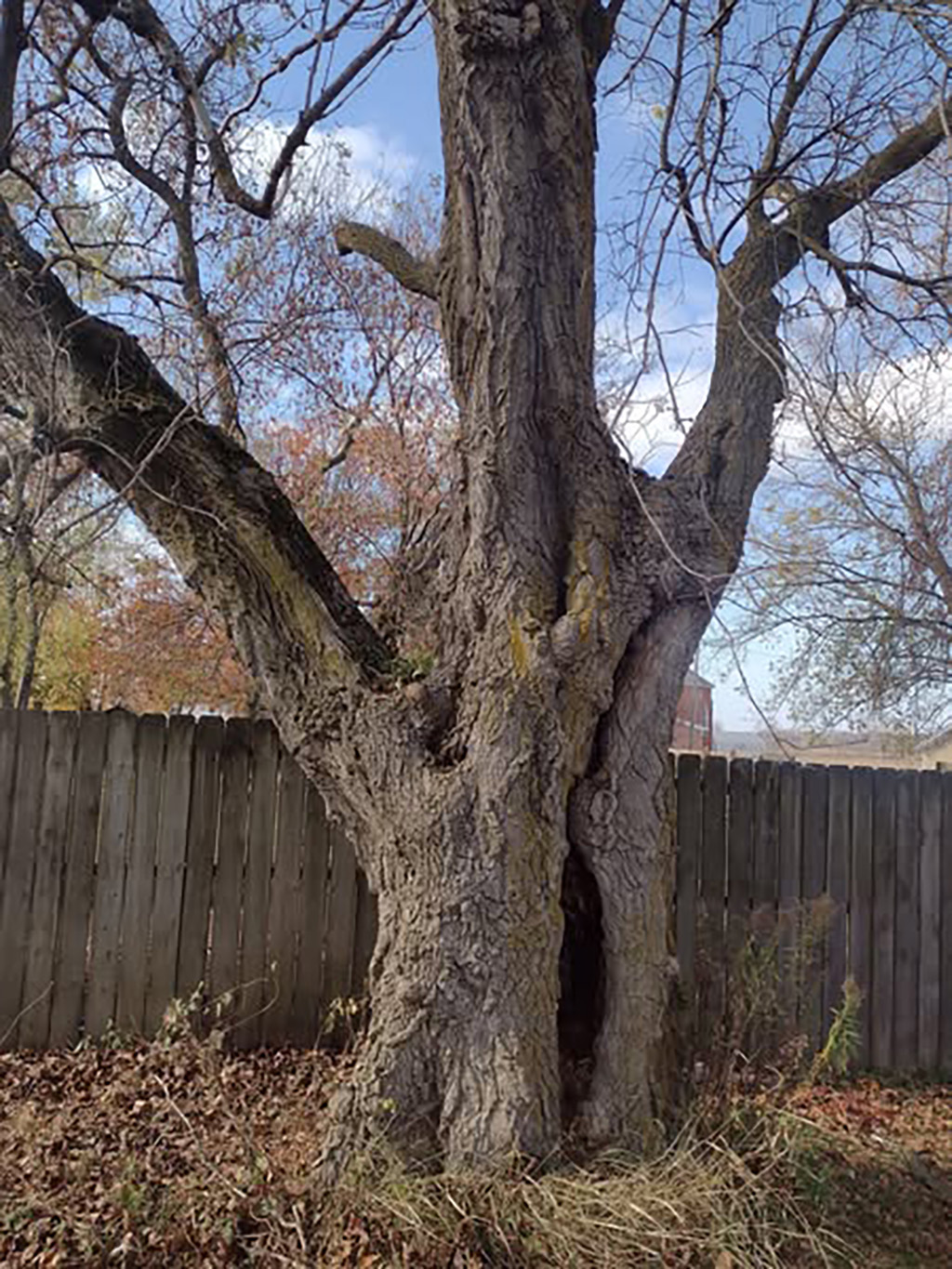
It can be said that, in a way, boxelders have a midlife crisis, break down and get weird. Branches break, mushrooms decompose, bugs move in and odd offshoots grow. Humans can relate. Some of us go through breakdowns, our lives change, old habitats die and we head off in odd new directions. So, let’s not judge the box elder so harshly. After all, wildlife doesn’t. Wildlife keeps enjoying the tree.
Many mammals, birds and insects thrive when the boxelder starts to deteriorate. Cavity nesters like flying squirrels and birds make nests in the holes left from falling branches. Wood peckers, raccoons and insectivores love to feast on the insects that move into the tree’s rotting wood. Even at its worst, the boxelder provides for a vast ecosystem. Dying young, also adds organic material to the forest floor, creating healthier soil in a shorter timeline.
Holding on. Another benefit that makes the boxelder a species to consider planting is its samaras. Boxelders are a type of maple, and to reproduce, they grow the iconic helicopter seed pods (samaras). Boxelder samaras are smaller in weight to those of other maples. The benefit, however, is that they make a large quantity and hold onto them throughout the winter and into the spring. When winters are harsh, this species’ seeds persist and provide much needed secondary food source for wildlife when other trees are bare.
Making due
Unlike some “picky” tree species, the boxelder makes due in many habitats: lowland floodplains, windy highlands, dry drought areas, wet frigid areas, clay soils, sandy soils, etc. Boxelders can make it nearly anywhere. They are a generalist that can serve as a food source for many generalist species throughout many habitats.
Praise the boxelder. If boxelders were people, we’d most likely aspire to be like them. They are resilient, no matter from where they start. They care for their community, feed the hungry and give back to the Earth. They are a bit of a rebel or a shooting star, living hard and leaving a gap after they are gone.
Let’s not dismiss them. Instead, let us plant them. Let us mix them into our buffers around streams, use them to shade out Phragmites or invasives in wetlands or add a few to a newer woodlot. Let us help our soil, water, forests and wildlife by planting boxelders that will make room for what’s to come.






Three cheers for the box elder!!