



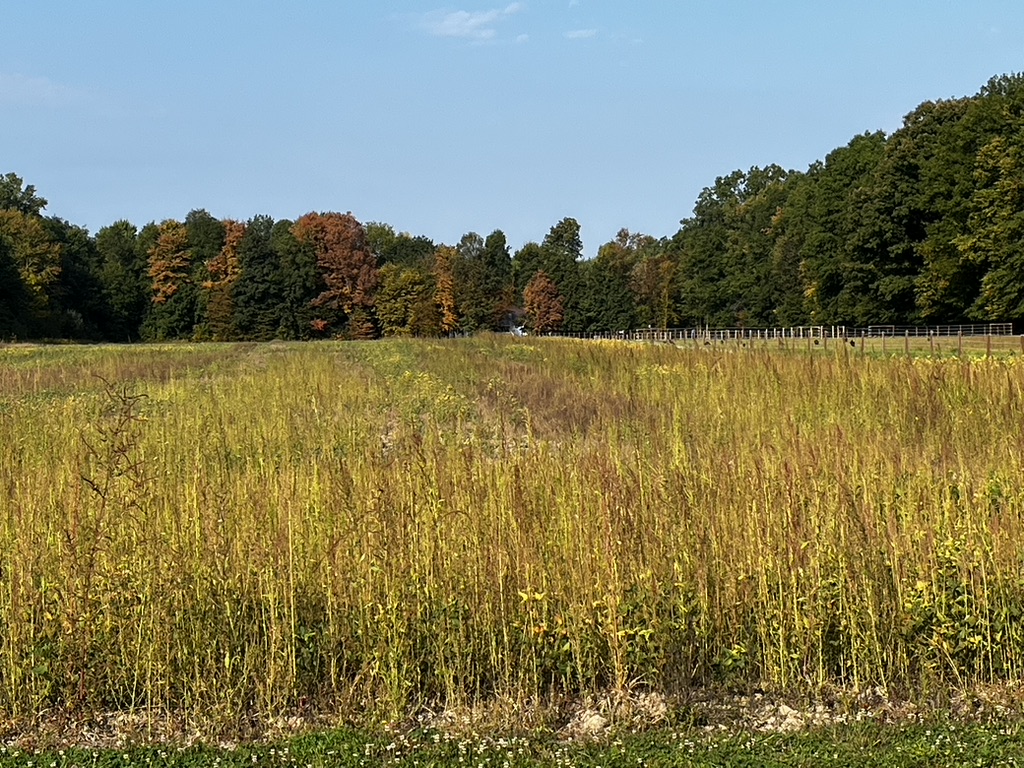
Over the last few weeks, Ohio State University Extension has been conducting county weed surveys to evaluate weed species prevalence and spread. During the survey in Ashtabula and Trumbull counties, we encountered fewer weed-free fields compared to prior years.
Weed outbreaks can be attributed to many things — pesticide resistance, application timing, single modes of action and many more. This year, I feel confident in saying that our weather played significant role in our current weed populations.
Wet conditions early in the season likely washed away residual herbicides, eliminating that second barrier to weed germination.
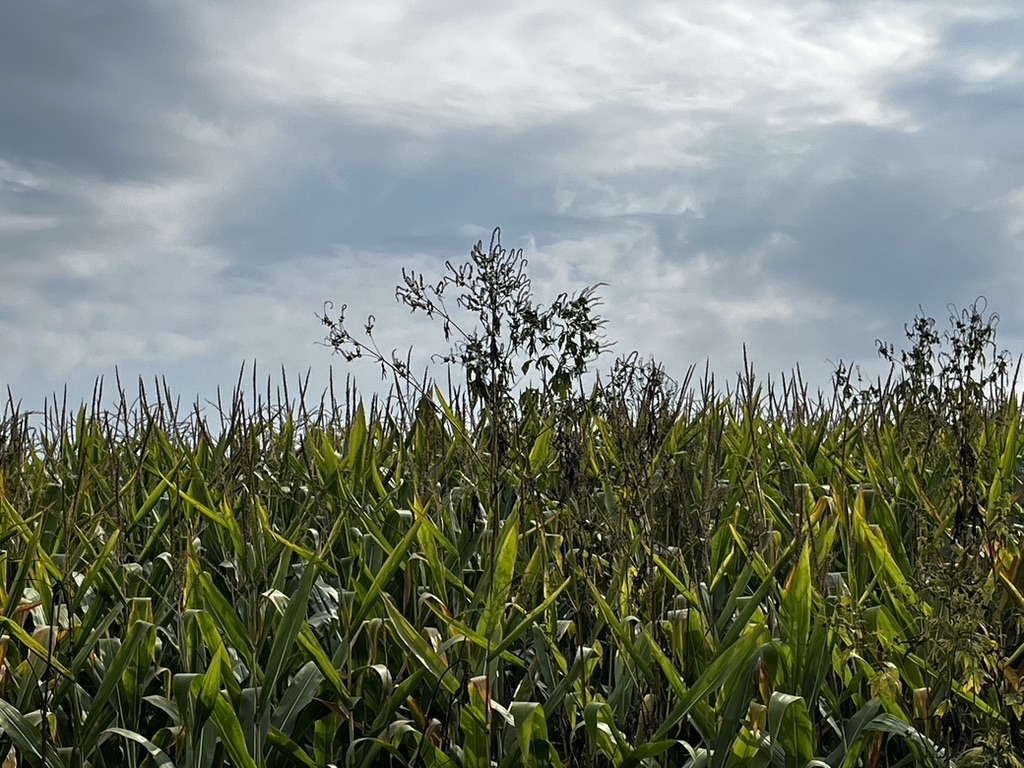
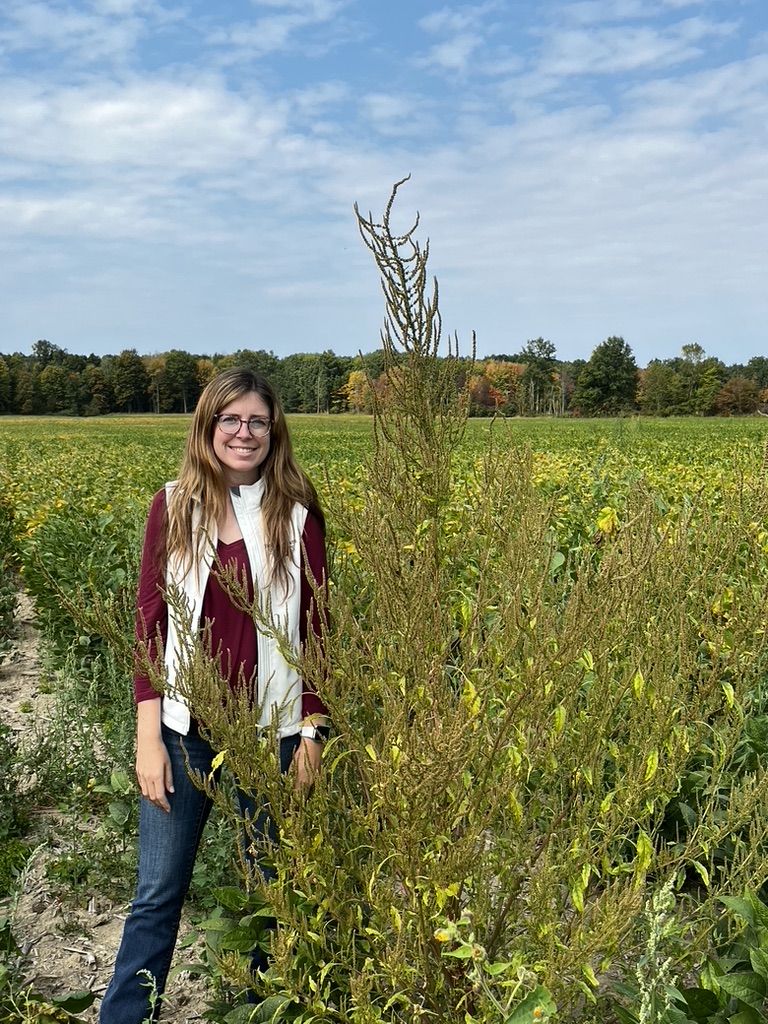
The most common weeds encountered during the survey — marestail, common ragweed and grass species — will not surprise anyone. What is more concerning is the spread of waterhemp throughout the region, and, to a lesser extent, giant ragweed.
Both waterhemp and giant ragweed have been present in our area for several years, but they have been isolated to single fields or scattered small populations. This year, we have observed both weeds in every township in Trumbull County, and some infestations were severe.
There’s not much we can do this fall for waterhemp and ragweed, but be on the lookout for these weeds in your fields next year.
A fall herbicide burndown application after harvest can help control other problematic weeds, especially in no-till or minimum till situations. Cressleaf groundsel, marestail, thistle, chickweed and deadnettle are a few examples of weeds that can be effectively controlled with a fall herbicide application. Fall herbicide programs should not break the bank, and most weeds can be controlled with a relatively inexpensive tank mix of 2,4D and glyphosate.
Fall is also an excellent time to control our pasture and hayfield weeds. Many perennial plants are getting ready for winter, and this involves moving resources from the green parts of the plant into the roots. Larger storage structures in the roots can make it difficult to control perennial plants in the spring or summer because they may be able to regrow. When we apply herbicides during the fall, we can take advantage of their natural winter preparations to translocate some of the herbicide to the roots. By pulling the herbicide down to the roots, you will get much better control.
Don’t wait too long to make an herbicide application this fall. Herbicide effectiveness slows down as the temperature drops, but you will still see control with temperatures above freezing. Also, herbicides need to contact living plant tissue, so if you wait until perennial leaves fall, you will get less control since there is less surface area to draw up the herbicide.
Fall tillage can be used to break the weed cycle and works more effectively on annual weeds than perennial. Perennial weeds are likely to survive minimal tillage passes, and if you have a perennial weed issue, a herbicide pass will likely be more effective.
If you are considering tillage, be aware that your risk of erosion over the winter will increase. Cover crops can counter tillage passes, but as the temperatures get colder the window for establishment gets shorter.
Have a safe harvest, and if you have weed control questions, reach out to your extension office.