



Nielsen surveys: Remembering life before streaming and cellphones
After receiving a dollar from Nielsen, Kymberly Foster Seabolt reflects on how much media and communication have changed. From waiting a week for TV cliffhangers and taping songs off the radio to pay phones and long-distance calls, she looks back at life before instant streaming.
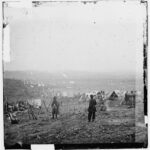
Finale: Civil War letters home
A chance discovery of Civil War letters in a local library uncovers the poignant story of Jeromesville's Boyd brothers. Through their own words, a local writer traces the brothers' service, the tragedy of wartime disease, and the lasting legacy marked on a hilltop cemetery monument.

Get back to the basics when restoring weed-infested hay fields
Struggling with heavily weed-infested hay fields? Ohio State Extension educator John Yost breaks down the essential basics for successful field restoration—from soil testing and seed-to-soil contact to working backward from frost dates to build a realistic reseeding timeline.
Building future farm leaders through intentional mentoring
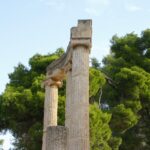
Drawing lessons from Homer's Odyssey, Ohio State Extension's David Marrison explores the importance of intentional farm mentorship. Discover how combining traditional guidance with reverse mentoring prepares the next generation to lead family farm operations successfully.

Pre-harvest checklist: 5 things to inspect around your farm
Before harvest begins, take time outside the machine shed to walk waterways, inspect tile outlets, pull soil tests, plan cover crops, and fix field obstacles. Jane Houin of Ashland SWCD shares five proactive pre-harvest checks to save you time and money this fall.

Stock density vs. stocking rate: What’s the difference?
What is the difference between stock density and stocking rate? Ohio State University Extension Educator Josh Winters breaks down these essential grazing management concepts, explains how to calculate animal units, and shows how a grazing stick helps measure dry matter for optimal pasture output.

History of the Division of Wildlife: The Ohio Country
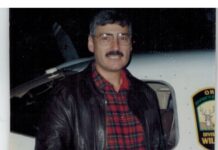
In part one of a series on the history of the Ohio Division of Wildlife, Jim Abrams explores how 19th-century settlement, bounties, and the Great Hinckley Hunt depleted native species—leading to Ohio's very first wildlife protection laws in 1829.
Pressing clothes was an onerous chore for pioneer women
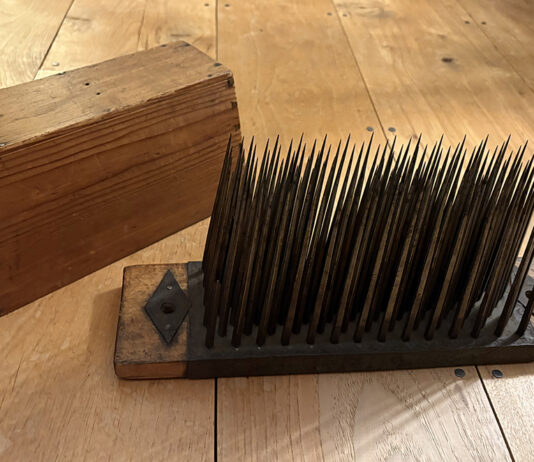
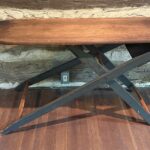
Before electric appliances, pressing clothes was a backbreaking pioneer chore. Columnist Paul Locher explores the history of early laundry technology, from heavy cast-iron sad irons and interchangeable slug irons to specialized tabletop gophering irons used for fluting ruffles.

Family gatherings: Why the rarest magic is time spent together
When asked what she does for fun, Kymberly Foster Seabolt's answer is simple: spending time with family. From "Team Seabolt" childhood days to watching grown kids navigate the adult world, she reflects on how fast time flies and why gathering together remains life's greatest joy.

Is your crop management actually strategy paying off?
Tight profit margins make evaluating input costs crucial. OSU Extension educator Lee Beers explains how tissue testing, the MRTN calculator, and fungicide ROI tools can help farmers determine if their fertilizer and crop protection strategies are actually paying off.