



Farm and Dairy Weekly Rundown: Episode 51 (4-2-26)
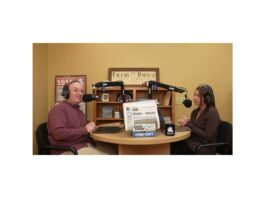
Reporters Liz Partsch and Paul Rowley give a rundown of the top stories in Farm and Dairy newspaper for the week of April 2, 2026.

Saving the Shire: Greenlee Farms preserves, promotes rare draft horse breed
From the cockpit of a Black Hawk helicopter to the rolling pastures of Utica, PA, veteran Tom Greenlee and his wife Lisa are on a mission to preserve one of the world’s rarest horse breeds. With fewer than 3,000 Shire horses left in North America,Tom and Lisa Greelee, of Greenlee Farms, are dedicated to breeding, educating and promoting these "gentle giants."

Ohio Wildflower Bloom Report 2026: Where to find the best spring blooms
Plan your spring hike with the ODNR’s weekly Ohio Wildflower Bloom reports. Discover when and where native species like bluebells and trilliums are peaking across Ohio’s state nature preserves and parks.

Food bank receives egg donation as industry is scrambled by costs, markets
Ohio farmers donate 218,000 eggs to Greater Cleveland Food Bank, boosting fresh protein access as demand rises amid industry challenges.

Cargill to close its Dayton grain facility
Cargill confirmed its intention to close the grain elevator in Dayton over the next 20 months “to allow time for production ramp-down and to enable supply chain adjustments.” The facility employs 230 people.

Bill that establishes data center regulations passes Pa. House
Pennsylvania House Bill 1834 would establish data center regulations to protect ratepayers from rising electric costs and incentives clean energy projects.

Ohio pole barn contractor gets prison time for defrauding consumers
Ryan C. Needels, owner of Clear View Construction, in Marion, Ohio, was sentenced to 17 to 22 years in prison after defrauding consumers of more than $400,000.

Grass tetany and blackleg: What to know and how prevent it
Lush pastures can be deadly. Learn how to identify symptoms of grass tetany and why a simple vaccination is the only real defense against soil-borne blackleg.

Farm and Dairy Weekly Rundown: Episode 50 (3-26-26)
Reporters Liz Partsch and Paul Rowley give a rundown of the top stories in Farm and Dairy newspaper for the week of March 26, 2026.

From the Ground Up: Ohio farms lead new $10M soil health study
In the heart of Ohio’s dairy country, farmers like Greg Steffen and Scott Stoller are moving beyond guesswork to discover how intensive cropping affects their land’s future. Through a $10 million USDA-funded project called "From the Ground Up," these producers are collaborating with Ohio State University researchers to design real-world trials on their own acreage. By prioritizing farmer-led questions over lab-controlled experiments, the initiative aims to find actionable ways to balance high-yield production with lasting soil health.