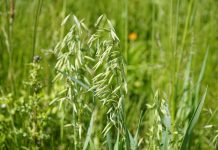




October has arrived this week, and we finally got the much-needed rain last week. The weather forecast for the first week of October shows daily highs in the mid-70s and lows in the mid-50s. The goldenrod is in full bloom in northeast Ohio, as well as the asters.
The two main asters in northeast Ohio are the New England aster, which is the large purple aster that can grow 3 to 6 feet tall, and the white heath aster, which is the bushier, smaller white aster with the yellow center. Both of these asters provide a lot of nectar and pollen for the bees in the last remaining weeks before winter.
Winter prep

How much honey should you leave in your hive to survive the winter? Like all bee questions, it depends. It depends on the size of your hive going into the last weeks of October. If you have a small single 10-frame deep with four to five frames of bees, and the remaining frames with pollen and honey, I would be comfortable with having 30 to 40 pounds of honey or sugar syrup as reserves to make it through a typical Ohio winter. This equates to a full super above your deep. The bees will move upward in the winter, consuming their honey.
Now would be a great time to look at your super, put the capped honey in the center and leave the empty combs or foundation for the outer walls. The bees will eat the center of the hive first and expand outward.
If your hive is light, now is the time, when the daytime temps are still in the 70s, to feed to boost your hive’s weight. You can’t feed sugar syrup successfully and put on the necessary weight in late October when the day temps only get to the 50s. Increase the sugar syrup to at least 50% and keep feeding until your combs are filled and they are backfilling the brood chamber below.
I know sugar is expensive at about 80 cents per pound, but replacing your bees with a package or nuc for $150 is expensive, too! Feed your bees now or let them starve over winter.
This time of the year, the queen is decreasing laying, and you will usually find some of the last brood emerging, but unless she was a new queen recently introduced, you will find smaller patterns of open brood. The bees are preparing for winter by not raising more bees but by storing more reserves to get through the next five months.
You will notice less drones or no drones in the next few weeks as the drones are killed and driven out of the hive. Nature’s way of ensuring the colony survives is by not feeding precious winter stores to family members who don’t contribute. Drones were raised for one purpose, and that deadline has expired. If you’re a drone and you made it this far, life was good for you, but that ship has sailed.
You should have your entrance and mouse reducers on to help prevent robbers, yellow jackets and cousins of Mickey Mouse looking for winter shelter in your hives. Nothing worse than having a strong hive getting through winter only to find a mouse nest in spring has taken up residence and spoiled the bottom deep or worse.
Skunks at this time of the year can be a problem, especially after the first frost, when most grasshoppers and other forage become scarce. The only legal method is trapping or shooting them, but both pose a problem. Shooting them, if you spot them in your beeyard, will inevitably cause them to release or spray their essence and foul your yard and attract even more skunks. Trapping them in live traps and transporting them in the back of your truck is another option that is also time-consuming. The only trick that I have seen that works is either putting chicken wire or mesh in front of the hives or buying the tack strips for carpet with the nails in them and placing them in front of the hives to deter them from stepping close to the hive and scratching at the entrance. When you examine skunk scat in your yard, you will be amazed at how many crunchy bees they can consume in your all-night bee buffet.
Yellow jacket control
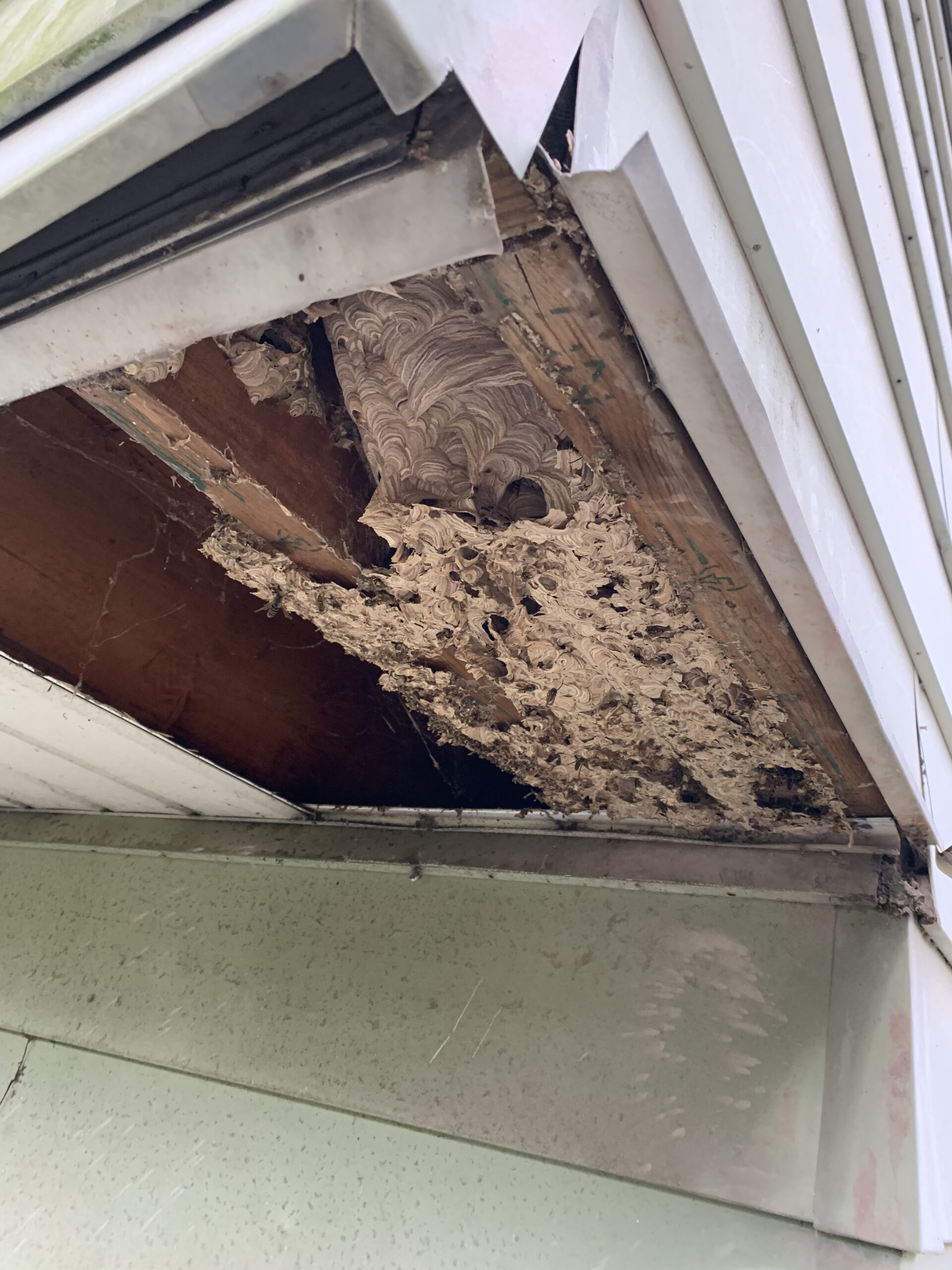
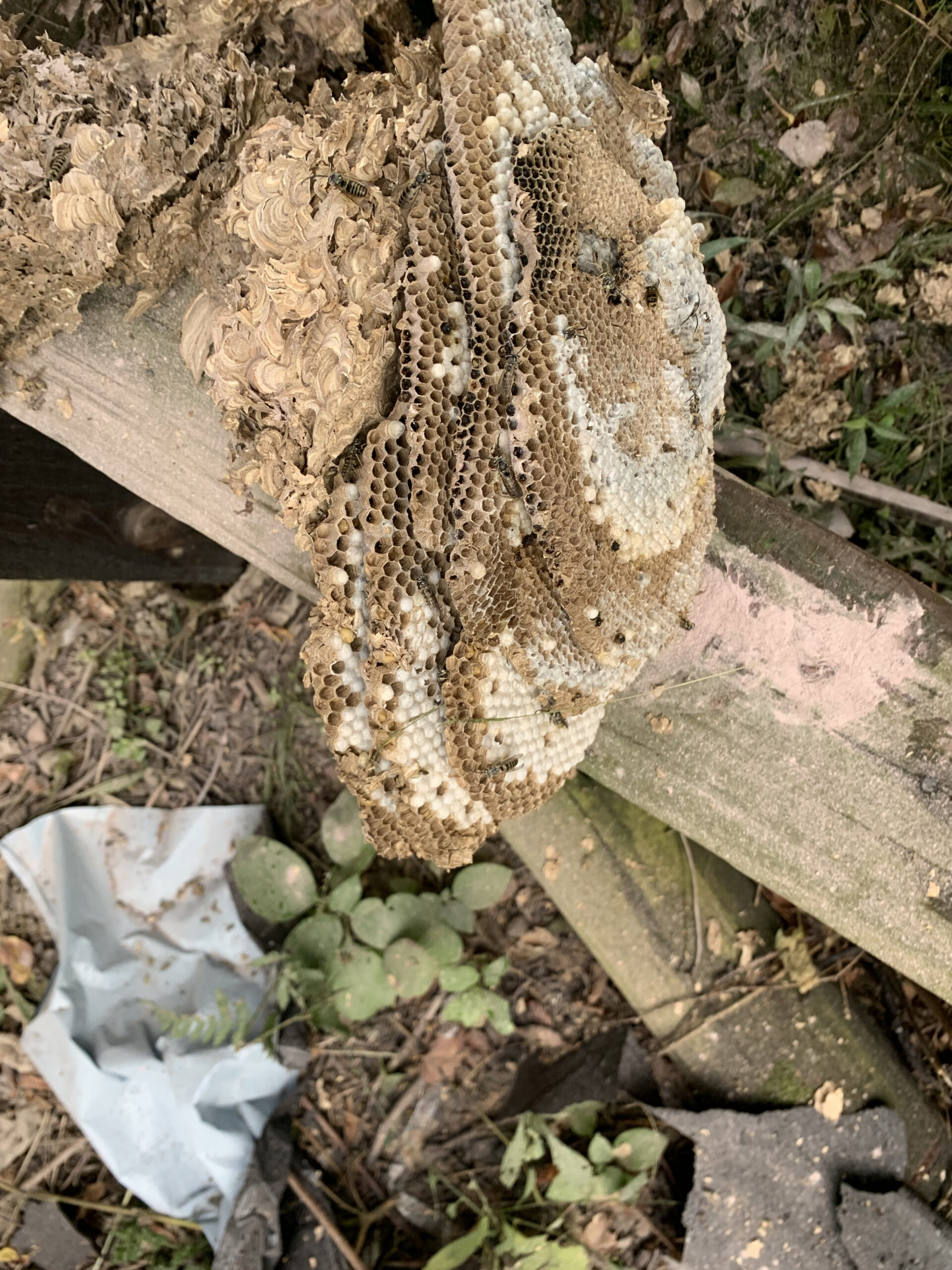
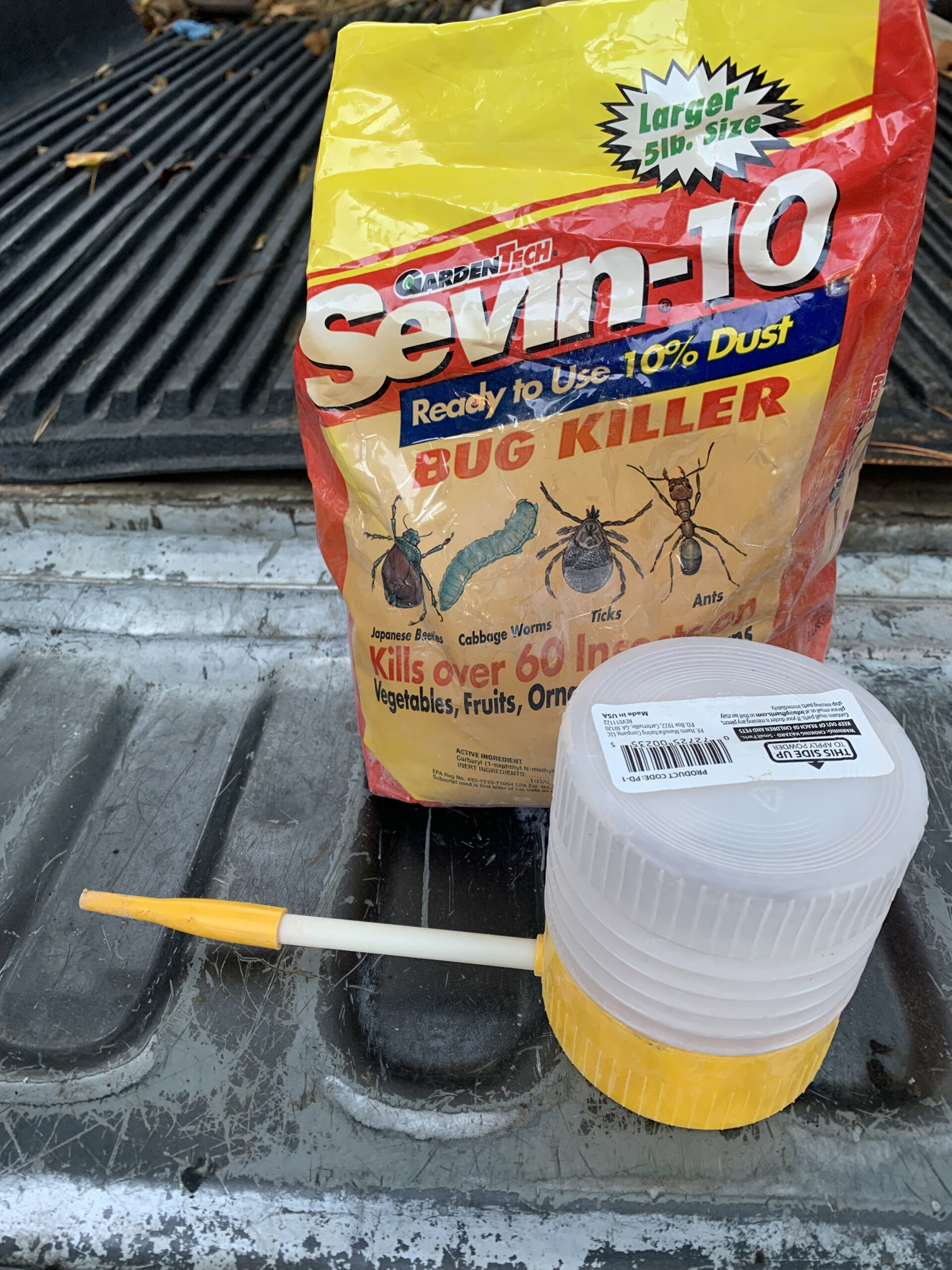
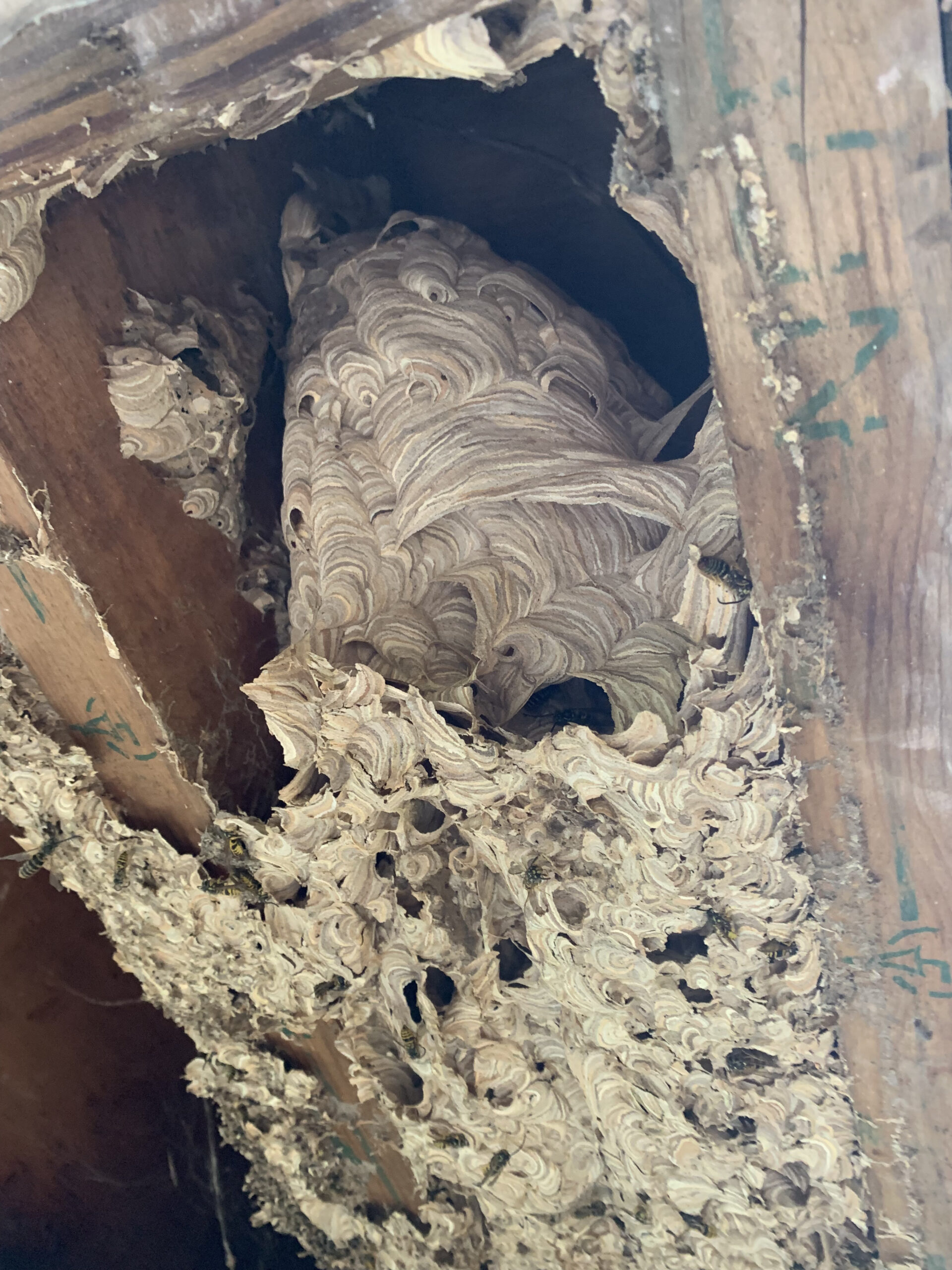
Last week, I had a request to exterminate a yellow jacket nest that had an entrance behind some aluminum siding, as they became a problem for a roofing crew. The absolute best and easiest way to eliminate them is to apply powdered Sevin to the entrance with a powder duster. These plastic inexpensive dust applicators are cheap and effective and can be found on Amazon for less than $10.00. Look up Harris Powder Duster on Amazon and have it ready. Fill up the puffer with your powder Sevin and shoot it into the entrance. The yellow jackets will carry the powder around, clean and groom themselves, and within a few days, the entire nest, brood and all will be destroyed. If you try spraying wasp spray and covering the entrance with caulk or tape, you risk the inhabitants finding another exit, which may be into your house, then you have another problem. The cost of this trick will put the exterminators on the unemployment line and save you and your friends more than the cost of the yearly subscription to the Farm and Dairy. Subscribe now or buy your friend a subscription that will be delivered each week to their mailbox at the low price of $42.95, and it will make you the hero of your neighborhood. To subscribe, visit www.farmanddairy.com/subscribe.