


Tag: history

How soybeans took over the American diet – without anyone noticing
Soybeans are hiding in plain sight across the American food supply. Trace the fascinating history of how a crop once grown strictly for animal feed evolved into an essential ingredient found in everyday groceries, industrial manufacturing, and renewable biofuels.

Flax braking and scutching: Pioneer methods for making linen
Antiques expert and journalist Paul Locher explores the pioneer-era process of flax braking and scutching. Discover how early Americans used wooden brakes, scutching knives, and community bees to transform harvested flax straw into fine linen and coarse tow.

How a Farmall M and family restored Grandpa Charlie’s spark
Life is full of sad and glorious moments. Discover how an autumn 1959 farm sale, a red Farmall M tractor, and the love of a growing young family helped restore joy, purpose, and laughter to a grieving great-grandfather who had lost his spark.

Sweet memories: Ohio brothers recall 1960s pony ice cream route
In 1960s New London, Ohio, four brothers turned a beloved pony and a custom surrey into a thriving summer ice cream route. Decades later, the Sutherland family honored their parents' creative vision and lessons in hard work during a final parade appearance.

The grueling history of growing flax in early America
From Gov. George Yeardley’s Virginia colony to German settlers in Pennsylvania and Ohio, flax was essential for making pioneer linen. Despite its grueling, backbreaking labor, growing flax became a vital crop for early American survival.
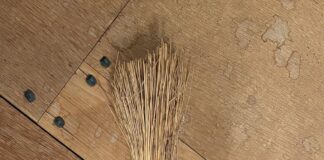
How flax became the forgotten cash crop of 19th-century Ohio
Long before modern synthetic fibers, flax was arguably the most vital crop across 19th-century Ohio. Learn about the history of this ancient plant, how settlers harvested it to make durable linen and linseed oil, and why its agricultural legacy is worth remembering today.
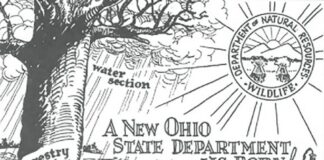
Ohio wildlife history: The birth of ODNR and return of deer...
Explore Part 4 of Ohio's wildlife history. Learn how sportsmen helped establish dedicated funding, how game protectors formed the nation's first training academy, the return of deer hunting in 1943 and the creation of the Ohio Department of Natural Resources in 1949.
History of the Ohio Division of Wildlife: The birth of conservation
As deforestation, dam construction, and industrial pollution threatened Ohio's natural resources in the 19th century, public outcry forced state leaders to take action. Jim Abrams traces early game laws, fish passage mandates, and the 1873 founding of the Ohio Fish Commission.

Finale: Civil War letters home
A chance discovery of Civil War letters in a local library uncovers the poignant story of Jeromesville's Boyd brothers. Through their own words, a local writer traces the brothers' service, the tragedy of wartime disease, and the lasting legacy marked on a hilltop cemetery monument.
The many lives of Fort Laurens
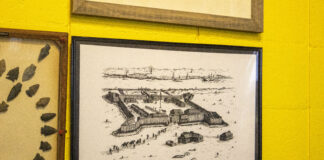
Fort Laurens, Ohio’s only Revolutionary War fort, reveals soldiers’ hardships and new excavations as crews work to rebuild part of the stockade by 2028.