



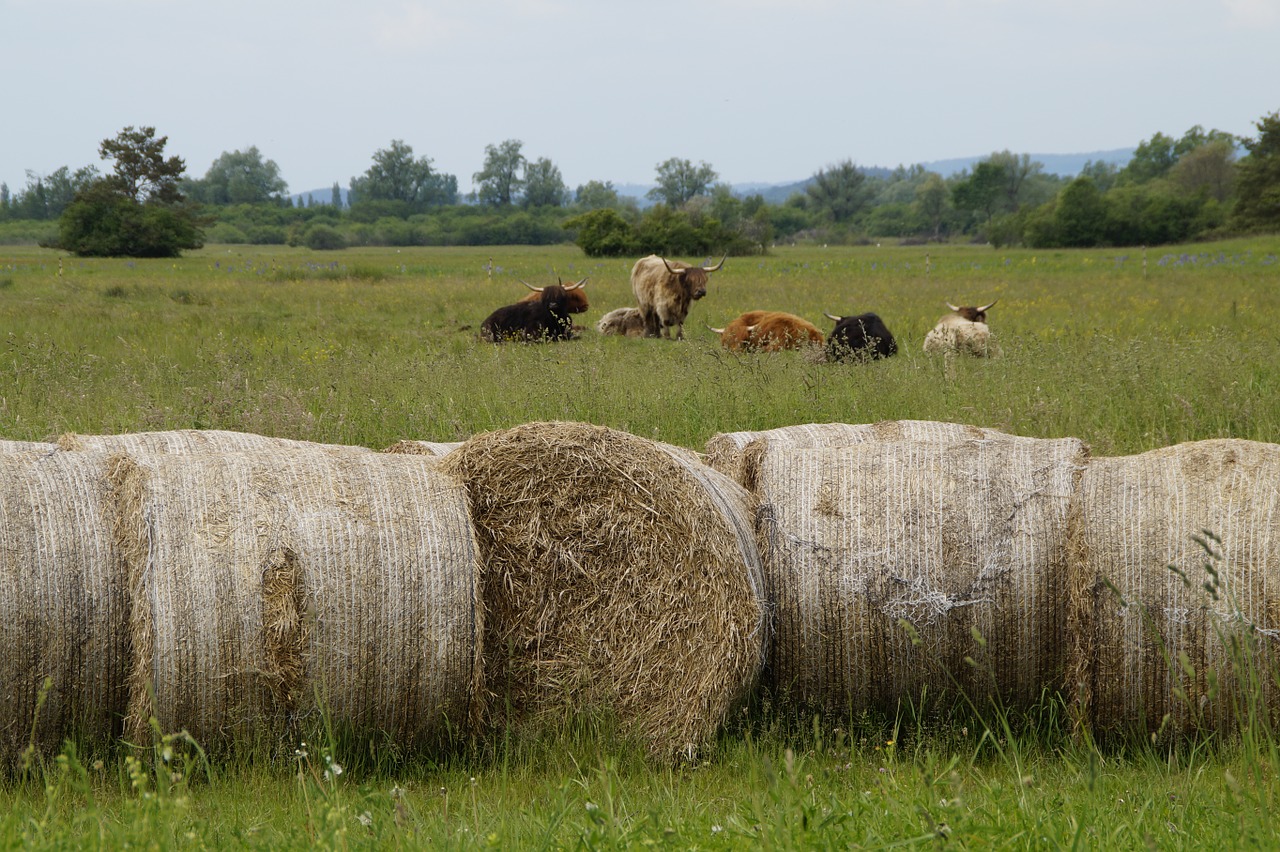
SALEM, Ohio — Brown pastures litter the landscape in portions of Ohio and Pennsylvania, forcing many farmers to dip into their hay supply earlier than normal.
The culprit is back-to-back droughts and wet springs, according to Ed Brown, agriculture and natural resource educator at Ohio State Extension Athens County.
This summer, Ohio, Pennsylvania and West Virginia have seen historic drought conditions in late summer, after experiencing high levels of precipitation in spring. The result is pastures struggling to grow, and cows without much forage to eat.
“This ties into what happened last year, a continuation, and then we added on this year’s weather to what happened last year,” Brown said. “It was just a perfect combination of two different weather patterns to make it really bad on the grasses this year.”
What is happening?
Many counties in Ohio and Pennsylvania saw their driest August ever this year, according to data from the National Oceanic and Atmospheric Administration.
This is true for most eastern Ohio counties, including Athens County, which saw .68 inches of rain in August 2025 and 1.30 inches the previous year. The average rainfall between 1901 and 2000 in August was nearly double the amount of rainfall Athens County has received over the last two years, at 3.75 inches.
Nearly 90% of Ohio was in a drought, and more than half of Pennsylvania was in drought at the end of September, according to the United States Drought Monitor Report released on Sept. 25.
These back-to-back droughts have inhibited grass’s ability to recover from last year, said Pete Conkle, program director for Columbiana Soil and Water Conservation District.
“They didn’t have a full energy reserve in their roots, and then you hit them with a second year of drought that really stifles the growing of that forage,” Conkle said.
Drought conditions in the previous year already had pastures struggling to survive; Brown says many farmers lost a portion of their pasture and weren’t able to reseed because of these dry conditions.
Heavy rain in spring and early summer also played a part in poor pasture conditions across the region. Between April and July, Cambria County, Pennsylvania, had 23.19 inches of rain, almost 7 inches more rain than average.
This combination of rain and drought proved to be lethal to pastures, as an overabundance of rain delayed first hay cuttings, and drought shortly after stunted their regrowth.
“Then they get to this year and, when things start picking up again, it rained and wouldn’t stop,” Brown said. This led to a delay in first hay cuttings, with some farmers unable to cut until mid-July.
“Normally, what would happen after the cutting is they let it regrow, maybe let the cattle graze on that regrowth. As soon as it was time for it to regrow, we had this flash drought that came, starting the first of August,” Brown said.
Brown says droughts every few years tend to be normal, but “it’s not always followed by an extremely wet year,” he said, which, combined with another dry August this year, led to a lack of regrowth in pastures due to the delay in first cuttings of hay.
Hay
Poor pasture conditions have led many farmers to dip into their hay supply earlier than normal. Conkle, third-generation owner of Conkle Family Farms, started feeding his cattle hay on Aug. 17, up until the second week of October.
“We have fed way more hay for this time of year than what we like, and the grass is still struggling to grow without any precipitation. It’s been rough,” said Conkle, who started grazing his pastures again about 10 days ago.
Pastures are starting to see some regrowth now that some rain showers have hit the region, Brown said. However, this will not make up for what was lost during August and September, he added.
Farmers may have also seen a lighter hay crop than usual, after heavy rain in early summer delayed first hay cuttings and drought in late summer inhibited second crop growth.
“Most of Ohio will probably be short on hay again this year,” said Conkle, adding that business decisions will need to be made regarding purchasing additional hay and trucking it in.
For farmers who are short on hay, the Ohio Department of Agriculture has a hay directory online with places to purchase bales. The directory, initially launched in 2012, was relaunched last year due to drought conditions and is available again this year. It can be accessed at https://agri.ohio.gov/divisions/administration/resources/ohio-hay-directory.
The U.S. Department of Agriculture Farm Service Agency Emergency Livestock Assistance Program may also reimburse farmers a percentage of the cost it takes to haul feed because of drought conditions.
Hay quality may have suffered as well, due to late cuttings this year and drought last year.
Some farmers are experiencing decreased yields and reduced hay quality due to less-than-ideal growing conditions and increased incidence of weed pressure caused by last year’s drought stress, according to Conkle.
He recommends investing in a nutrition test to make sure “those cows aren’t starving.”
What can farmers do?
The best way farmers can prepare for these abnormal conditions is by planning more frequently and further in advance.
Besides feeding hay, farmers should look at supplementing cattle feed with soybean hull pellets, distiller grains or corn and work with a nutritionist to get the right balance, Conkle said.
Making the tough decision to cull cows before winter is another option that could help producers with drought-stressed pastures. Cull cow prices reached record highs in August and September, according to the USDA’s Economic Research Service.
“When cull cow prices are close to $2,000 a head, do you really want to feed her all winter in hopes that she gets better? Just make that hard decision to reduce your numbers,” Conkle said.
Conkle is already preparing for next spring by fertilizing his grass and interseeding. He recommends farmers take advantage of the current fall conditions.
“We need to be looking ahead five, six months at this point to make sure that when next March or April rolls around and that grass breaks dormancy, it’s got the best chance,” Conkle said. “Because, in (Columbiana County), this is the second year for this, and it could be a slow start next spring if we’re not feeding that grass.”
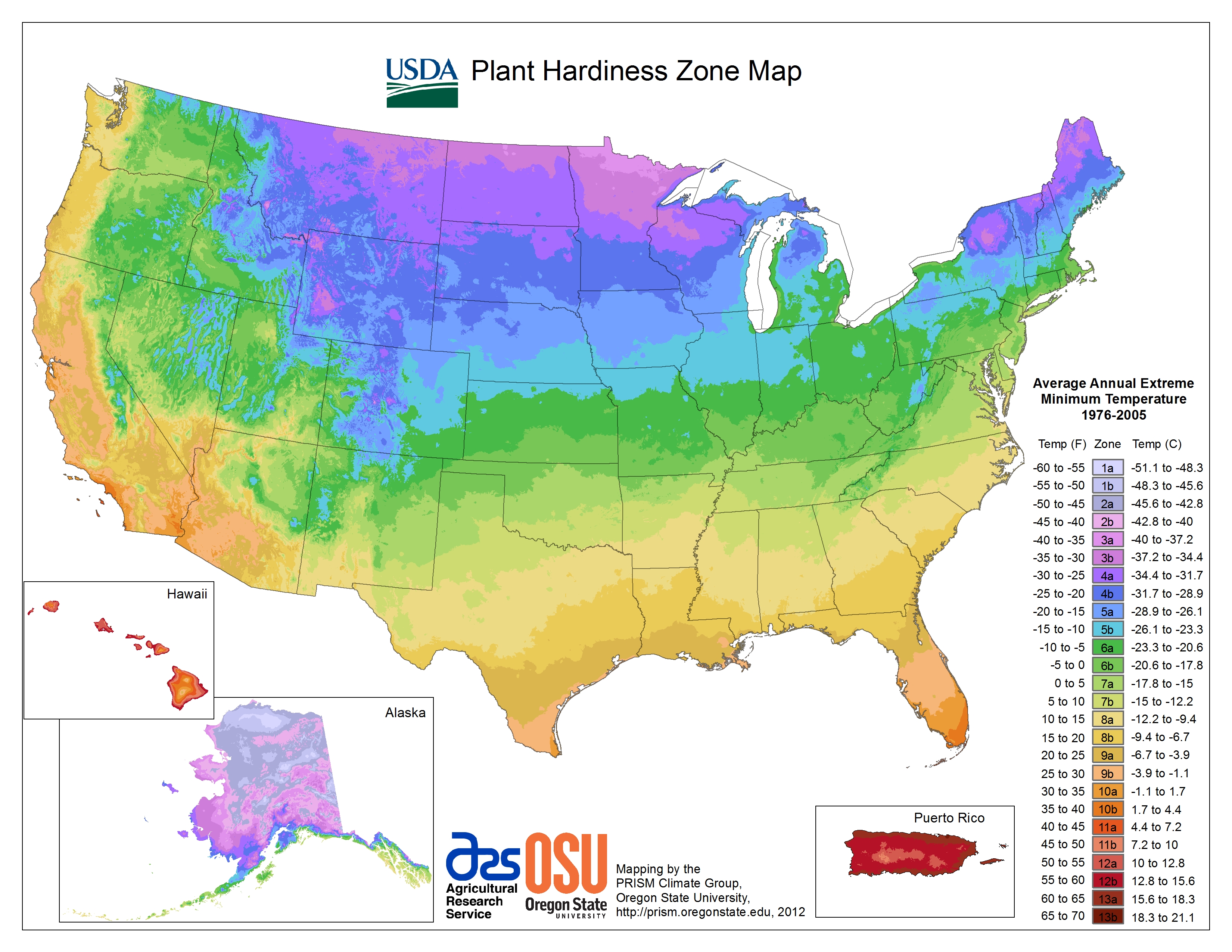
According to Brown, adapting to these weather conditions is necessary as the region continues to see a changing climate, pointing out that Ohio recently switched to a warmer growing zone in 2023.
Large portions of Ohio and Pennsylvania now fall into the 7a and 6b growing zones; previously, these states were largely dominated by the 6a growing zone, according to the U.S. Department of Agriculture Plant Hardiness Zone Maps for 2012 and 2023, respectively. This means temperatures have risen by at least 5 F, Brown said.
Next year, the region could see completely normal conditions, but staying vigilant and being prepared for abnormal weather conditions is important, according to Brown.
“Hopefully, (farmers are) keeping track of (extreme weather) to see when that is going to be coming up, so that they don’t get caught off guard,” he said.
(Liz Partsch can be reached at epartsch@farmanddairy.com or 330-337-3419.)





A very good piece of journalism. Highly coherent, well focused.
The problems of this ongoing drought affects multiple areas of agriculture. Looking the specifics of how drought has affected the grazing of livestock, required early use of hay stocks, and strains farm finances in Eastern Ohio and Western Pennsylvania, is important for the farming community. It is also important for those of us non-farmers who want to know, and care